
En los últimos años, con el crecimiento constante de la demanda mundial de bebidas sociales saludables, bajas en azúcar y sin alcohol, el té con gas y la kombucha se han ido convirtiendo poco a poco en categorías populares en el mercado de las bebidas. Ambas utilizan hojas de té como base, ambas tienen un sabor refrescante y los consumidores suelen considerarlas alternativas a las bebidas alcohólicas tradicionales. Por ello, mucha gente confunde el té con gas con la kombucha, llegando incluso a creer que el té con gas no es más que una versión mejorada de la kombucha.
De hecho, aunque tanto el té con gas como la kombucha tienen su origen en la cultura del té, representan líneas de producto completamente diferentes. Desde el punto de vista del proceso de elaboración, la kombucha es una bebida de té fermentada que se basa en la fermentación microbiana para obtener su sabor único y sus propiedades funcionales; mientras que el té con gas es un nuevo tipo de bebida sin alcohol creada mediante extracción del té, la mezcla y la tecnología de carbonatación, haciendo hincapié en el aroma, las matices de sabor y la experiencia social de alto nivel que ofrece el propio té.
En pocas palabras, la kombucha se acerca más a una “bebida fermentada saludable”, mientras que el té con gas se asemeja más a una “bebida de té premium sin alcohol”.”
¿Qué es el Kombucha?
La kombucha es una bebida tradicional a base de té fermentado que ha experimentado un rápido crecimiento en el mercado de las bebidas saludables en Europa y América en los últimos años, convirtiéndose en una categoría importante dentro del sector de las bebidas funcionales. Por lo general, se elabora a partir de hojas de té, como el té negro, el té verde o el té oolong, y se somete a un proceso de fermentación natural tras añadirle azúcar y un «scoby».
Durante la fermentación, la levadura presente en el scoby transforma primero el azúcar del líquido de té en alcohol y dióxido de carbono. Al mismo tiempo, microorganismos como las bacterias del ácido acético aprovechan el alcohol para producir ácidos orgánicos, como el ácido acético y el ácido glucónico, creando así el sabor ácido y complejo característico de la kombucha.
La característica más destacada de la kombucha es su naturaleza “fermentada”. Las diferentes marcas, cepas de bacterias y tiempos de fermentación influyen en el sabor final. Algunas kombuchas tienen un ligero aroma afrutado y son efervescentes, mientras que otras presentan un sabor complejo que recuerda al vinagre de sidra de manzana, al yogur o al zumo de fruta fermentado.

El proceso de elaboración de la kombucha
1. Extracción del té
En primer lugar, las hojas de té adecuadas para fermentación Hay que elegir uno, como el té negro, el té verde o el té oolong. Tras la infusión con agua caliente, las hojas de té liberan polifenoles, sustancias aromáticas y componentes de sabor en el líquido del té.
2. Mezcla
Dado que la levadura necesita azúcar para su metabolismo, es necesario añadir una determinada proporción de azúcar al líquido del té. El azúcar no solo influye en la velocidad de fermentación, sino también en la acidez y el sabor del producto final.
3. Fermentación
Una vez enfriado, se añaden los cultivos iniciadores SCOBY al líquido de té y la fermentación se lleva a cabo a una temperatura adecuada.
Durante la fermentación: la levadura produce alcohol y dióxido de carbono; las bacterias del ácido acético producen ácidos orgánicos;
Los microorganismos actúan conjuntamente para crear el sabor único de la kombucha.
4. Aromatización y procesamiento secundario
Una vez finalizada la fermentación básica de la kombucha, se pueden añadir zumos de frutas, extractos vegetales o aromatizantes naturales, según la demanda del mercado, para elaborar productos con diferentes sabores. A continuación, el producto se somete a procesos de filtración, enfriamiento y carbonatación para mejorar su sabor.
5. Embotellado
El producto final se envasa mediante un proceso aséptico equipos de llenado para prolongar la vida útil y mantener la calidad del producto.
¿Qué es el té con gas?
El té con gas es un tipo de bebida de té que ha experimentado un rápido auge en los últimos años. Combina las técnicas tradicionales de elaboración del té con la tecnología moderna de bebidas, utilizando dióxido de carbono añadido artificialmente para crear una delicada experiencia burbujeante similar a la del champán o el vino espumoso. A diferencia de la kombucha, el té con gas no suele someterse a fermentación microbiana, no utiliza el «scoby» ni desarrolla un sabor ácido o fermentado pronunciado. Su concepto fundamental consiste en conservar el aroma natural del té al tiempo que ofrece una sofisticada experiencia burbujeante.

El proceso de elaboración del té con gas
El proceso de elaboración del té con gas se asemeja más a la producción moderna de bebidas de té que a la de las bebidas fermentadas tradicionales. Se centra en la extracción del sabor del té, la clarificación y la filtración, así como en la carbonatación controlada.
1. Extracción del té
En primer lugar, se añaden al sistema de extracción unas hojas de té cuidadosamente seleccionadas. Al controlar la temperatura del agua y el tiempo de infusión, se liberan por completo los compuestos aromáticos, los polifenoles y los componentes que aportan sabor a las hojas de té.
2. Filtración y clarificación
Una vez extraído el líquido del té, es necesario filtrarlo para eliminar los residuos del té y los sólidos en suspensión, mejorando así la transparencia y la estabilidad del producto.
3. Mezcla
En función del posicionamiento del producto, se pueden añadir zumos de fruta naturales, extractos vegetales o edulcorantes para ajustar el sabor del líquido de té. Antes de la carbonatación, es necesario reducir el contenido de oxígeno del líquido de té y enfriarlo hasta una temperatura adecuada para la absorción de dióxido de carbono. El dióxido de carbono se disuelve mejor a temperaturas más bajas, lo que da lugar a burbujas más finas y persistentes.
5. Carbonatación
Mediante un equipo de carbonatación, se inyecta dióxido de carbono apto para uso alimentario en el líquido del té, lo que confiere a la bebida: una sensación refrescante y estimulante; burbujas finas; y una experiencia de consumo similar a la del vino espumoso.
6. Embotellado
El té con gas debe envasarse utilizando equipos de llenado resistentes a la presión para garantizar la estabilidad de las burbujas.
| Comparación | Té con gas | Kombucha |
|---|---|---|
| Método de producción | Extracción del té + carbonatación | Té + azúcar + fermentación con SCOBY |
| Fermentación | No | Sí |
| Microorganismos | Ninguno | Contiene bacterias y levaduras |
| Grado alcohólico | Normalmente 0% | Normalmente por debajo de 0,5%-3% |
| Fuente de carbonatación | Dióxido de carbono añadido | Se produce de forma natural durante la fermentación |
| Perfil de sabor | Refrescante, floral, con notas de té | Sabor ácido, complejo y fermentado |
| Posicionamiento del producto | Bebida sin alcohol de alta gama | Bebida funcional para la salud |
| Principales ocasiones de consumo | Reuniones sociales, cenas, celebraciones | Consumo diario para el bienestar |
Aunque tanto el té con gas como la kombucha proceden de las hojas de té, satisfacen necesidades diferentes de los consumidores.
La kombucha aporta beneficios para la salud y un sabor único gracias a la fermentación, lo que la convierte en una bebida saludable ideal para el consumo diario; por su parte, el té con gas mejora la experiencia de consumo del té gracias a la tecnología moderna aplicada a las bebidas, lo que la convierte en una bebida social sin alcohol ideal para compartir.
Para los consumidores que valoran los probióticos, los sabores fermentados y un estilo de vida saludable, la kombucha es una buena opción; mientras que para aquellos que desean disfrutar de una experiencia similar a la del champán en fiestas, cenas de negocios o celebraciones, al tiempo que reducen el consumo de alcohol, el té con gas ofrece una alternativa más elegante.
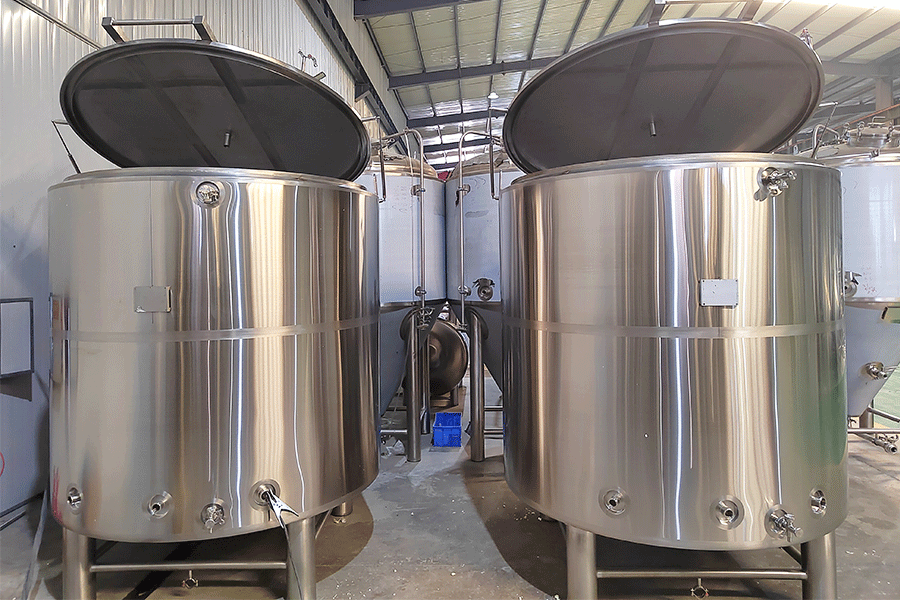
A medida que los mercados del té con gas y la kombucha siguen creciendo, cada vez son más las empresas que se centran en la tecnología de producción de bebidas de té y en las soluciones de equipamiento. TianTai Puede ofrecer soluciones integrales, desde el diseño de procesos hasta la configuración de los equipos, para satisfacer las necesidades de producción de diferentes tipos de bebidas de té, ayudando a las empresas a lograr una producción estable y un desarrollo a gran escala de sus productos de bebidas de té.