
In den letzten Jahren hat sich „Hard Kombucha“ aufgrund der steigenden Nachfrage der Verbraucher nach zuckerarmen, natürlich fermentierten Getränken und funktionellen Getränken zu einer der am schnellsten wachsenden neuen Kategorien auf dem globalen Markt für alkoholische Getränke entwickelt. Es verbindet die natürlichen Gärungseigenschaften von Kombucha mit der sozialen Attraktivität alkoholarmer Getränke, erfreut sich zunehmender Beliebtheit bei jungen und gesundheitsbewussten Verbrauchern in Märkten wie Nordamerika, Europa und Australien und entwickelt sich nach und nach zu einem wichtigen Vertreter gesunder alkoholischer Getränke.
Was ist also „Hard Kombucha“? Wie unterscheidet es sich von normalem Kombucha? Tian Tai vermittelt Ihnen ein umfassendes Verständnis des Brauprozesses und des Produktionsablaufs von „Hard Kombucha“.
Was ist „Hard Kombucha“?
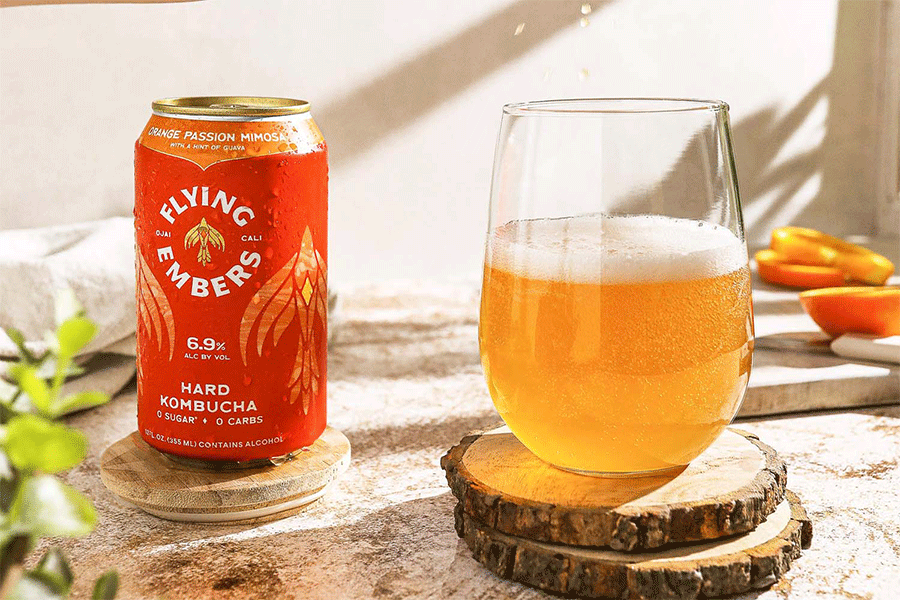
„Hard Kombucha“, auch als alkoholhaltiges Kombucha bekannt, ist ein fermentiertes Teegetränk mit geringem Alkoholgehalt, das durch weitere Gärung oder die Zugabe von Alkohol aus traditionellem Kombucha hergestellt wird.
Zu den Hauptzutaten gehören vor allem:
·Teeblätter (Schwarztee, Grüntee, Oolong-Tee usw.)
·Zucker (in der Regel Saccharose)
·SCOBY (symbiotische Kultur aus Bakterien und Hefe)
·Wasser
Herkömmliches Kombucha weist nach einer Gärung in der Regel einen Alkoholgehalt von unter 0,5% ABV auf und wird im Allgemeinen als alkoholfreies Getränk eingestuft. Bei „Hard Kombucha“ hingegen wird der endgültige Alkoholgehalt durch Verlängerung der Gärungszeit, Zugabe spezieller Brauhefe oder direkte Zugabe alkoholischer Getränke auf 4%–6% ABV erhöht, wobei einige Produkte sogar 8%–10% ABV erreichen. Dieser Alkoholgehalt entspricht in etwa dem von Bier, Apfelwein und „Hard Seltzer“ und wird daher üblicherweise als alkoholarme Getränke eingestuft.
Was sind die Merkmale von „Hard Kombucha“?
Im Vergleich zu herkömmlichen alkoholischen Getränken wie Bier und Wein vereint „Hard Kombucha“ die Vorteile der natürlichen Gärung mit einem gesünderen Genuss.
Die natürliche Gärung sorgt für einen einzigartigen Geschmack: Während der Gärung sorgen Hefe und Essigsäurebakterien gemeinsam für einen ausgewogenen, süß-sauren Geschmack mit vielschichtigen Noten, wobei die charakteristischen Aromen des Tees erhalten bleiben.
Mäßiger Alkoholgehalt: Die meisten Produkte weisen einen Alkoholgehalt von 4%–6% auf, wodurch sie den Geschmack eines alkoholischen Getränks bieten und gleichzeitig relativ leicht zu trinken sind.
Zucker- und kalorienarm: Ein Teil des Zuckers wird während der Gärung umgewandelt, sodass viele Produkte einen geringeren Zucker- und Kaloriengehalt aufweisen als herkömmliches Bier und Cocktails und damit den Wunsch moderner Verbraucher nach gesunden Getränken besser erfüllen.
Von Natur aus glutenfrei: Hartes Kombucha wird in der Regel nicht aus Getreide wie Gerste und Weizen gebraut und ist daher von Natur aus glutenfrei, sodass es für Menschen mit entsprechenden Ernährungsbedürfnissen geeignet ist.
Großes Potenzial für geschmackliche Innovationen: Die Produkte lassen sich mit Fruchtkonzentrat, natürlichem Fruchtsaft, Kräutern, Gewürzen und anderen Zutaten mischen, um eine vielfältige Produktpalette zu entwickeln.
Wie wird „Hard Kombucha“ hergestellt?
Derzeit gibt es zwei Hauptverfahren zur Herstellung von alkoholhaltigem Kombucha: natürlich fermentiertes alkoholhaltiges Kombucha und mit Alkohol versetztes Kombucha. Je nach Markenpositionierung und Produktionsanforderungen kommen unterschiedliche Verfahren zum Einsatz.
Die erste Methode: Natürlich fermentiertes hartes Kombucha
Natürlich fermentiertes starkes Kombucha ist derzeit die am weitesten verbreitete Methode und spiegelt die Fermentationsmerkmale von starkem Kombucha am besten wider. Der Alkohol entsteht ausschließlich durch Hefefermentation, was zu einem natürlicheren und komplexeren Geschmack führt.
1. Zubereitung des Tees
Zunächst werden Schwarztee, Grüntee oder andere Teeblätter mit heißem Wasser aufgegossen, wodurch die Teepolyphenole, das Koffein und die Aromastoffe vollständig extrahiert werden. Anschließend wird eine angemessene Menge Zucker als Kohlenstoffquelle für die anschließende Gärung hinzugefügt. Nachdem der Teeaufguss auf eine geeignete Temperatur abgekühlt ist, beginnt die Gärungsphase.
2. Erstgärung
Der abgekühlte Teeaufguss wird mit SCOBY-Hefe beimpft und bei einer geeigneten Temperatur etwa 6 bis 10 Tage lang fermentiert. Die Mikroorganismen verbrauchen nach und nach den Zucker und produzieren organische Säuren, eine geringe Menge Alkohol sowie verschiedene Aromastoffe, wodurch der einzigartige süß-saure Geschmack und das natürliche Fermentationsaroma von Kombucha entstehen. Der Alkoholgehalt liegt in diesem Stadium in der Regel unter 0,51 TP3T.
3. Sekundäre alkoholische Gärung
Um den für hartes Kombucha erforderlichen Alkoholgehalt zu erreichen, werden der Gärflüssigkeit Weinhefe oder Bierhefe sowie eine angemessene Menge Zucker zugesetzt. Die Gärung dauert etwa 7–14 Tage in einem verschlossenen, Druckgärtank. Die Hefe wandelt den Zucker anschließend in Alkohol, Kohlendioxid und reichhaltige Esteraromen um, was zu einem endgültigen Alkoholgehalt von typischerweise zwischen 4% und 6% führt und gleichzeitig einen vollmundigeren Gärgeschmack hervorbringt.
4. Aromatisierung und Filtration
Nach der alkoholischen Gärung können je nach Produktpositionierung Fruchtkonzentrat, natürlicher Fruchtsaft, Pflanzenextrakte oder Gewürze hinzugefügt werden, um die Komplexität des Produkts zu bereichern. Anschließend werden die Schwebstoffe mittels Platten- und Rahmenfiltration entfernt, Membranfiltration, oder andere Verfahren zur Verbesserung der Klarheit, Stabilität und Haltbarkeit.
5. Karbonisierung, Sterilisation und Abfüllung
Reichen die durch natürliche Gärung entstehenden Bläschen nicht aus, kann Kohlendioxid in Lebensmittelqualität zugesetzt werden, um die gewünschte Spritzigkeit und den erfrischenden Geschmack zu erzielen. Anschließend werden Pasteurisierung und andere Verfahren eingesetzt, um die mikrobielle Aktivität zu kontrollieren und eine weitere Gärung während der Lagerung zu verhindern. Schließlich wird das Produkt in Dosen, Glasflaschen oder PET-Flaschen abgefüllt und anschließend versiegelt, etikettiert, verpackt und in Kartons verpackt.
Die zweite Methode: Kombucha mit Alkohol
Das „Spiked-Alcohol“-Verfahren ist ein industrielles Herstellungsverfahren, das in den letzten Jahren zunehmend von Marken eingesetzt wird. Bei diesem Verfahren wird zunächst der Standardprozess zur Herstellung von Kombucha befolgt, wobei die Zubereitung des Teeaufgusses und die Erstgärung abgeschlossen werden, um ein Kombucha-Grundprodukt zu erhalten. Anschließend werden je nach Produktrezeptur Bier, Apfelwein, Wein, Wodka, Gin, Rum oder neutraler Alkohol direkt hinzugefügt, wobei der Alkoholgehalt durch präzise Dosierung auf den Zielwert eingestellt wird.
Im Vergleich zur natürlichen Gärung macht das Verfahren der Alkoholzugabe eine sekundäre alkoholische Gärung überflüssig, wodurch der Produktionszyklus erheblich verkürzt und eine präzisere Kontrolle des Alkoholgehalts erreicht wird. Gleichzeitig sorgt dieses Verfahren für eine hohe Produktkonsistenz, erleichtert die Produktion in großem Maßstab und eignet sich besser für die schnelle Entwicklung verschiedener Fruchtaromen und Spezialrezepte. Daher bezeichnen viele internationale Marken diese Art von Produkt als „Kombucha-Cocktail“.
Unternehmen können je nach Zielmarkt, Markenpositionierung, Produktgeschmack und Investitionsbudget das am besten geeignete Herstellungsverfahren auswählen.
Da Verbraucher weltweit zunehmend auf gesunde Trinkkonzepte setzen, entwickelt sich „Hard Kombucha“ allmählich zu einem wichtigen Wachstumsmotor auf dem Markt für alkoholarme Getränke. Ob es sich nun um das Verfahren der natürlichen Gärung handelt, bei dem der Geschmack der natürlichen Gärung im Vordergrund steht, oder um das Verfahren mit Alkoholzusatz, das Effizienz und Stabilität in Einklang bringt – beide bieten Marken eine Fülle von Möglichkeiten zur Produktentwicklung.
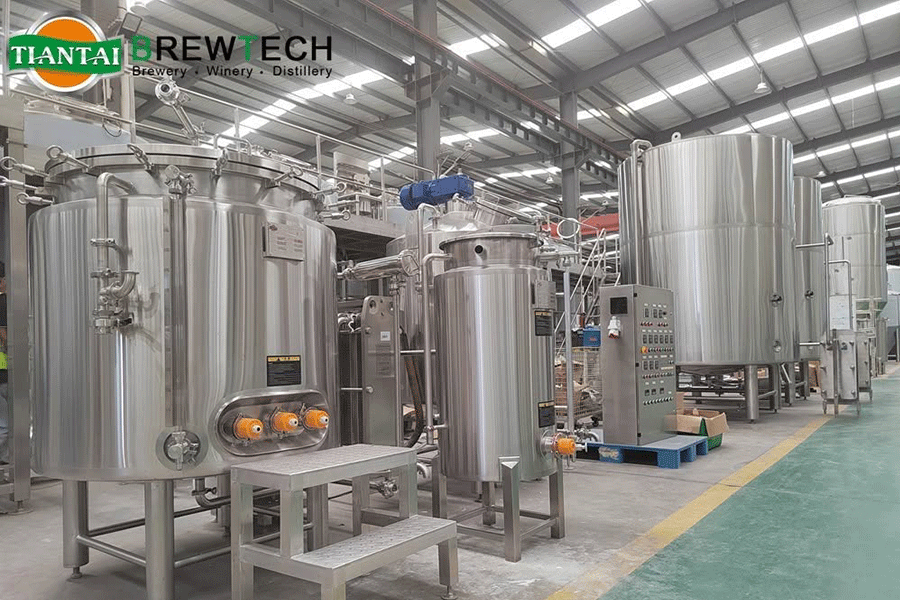
Für Hersteller, die den Einstieg in den Markt für „Hard Kombucha“ planen, bietet TianTai ausgereifte und zuverlässige Produktionsverfahren sowie Professionelle Ausstattungslösungen. Dies verbessert nicht nur die Produktionseffizienz, sondern gewährleistet auch einen gleichbleibenden Geschmack und eine gleichbleibende Qualität und schafft so einen langfristigen Wettbewerbsvorteil für Ihre Marke.