
Разница между приготовлением комбучи в домашних условиях и производством в промышленных масштабах гораздо больше, чем думает большинство людей. Дома вкусную комбучу можно приготовить, используя всего лишь стеклянные банки, марлю, чайные листья и сахар. При домашнем брожении есть достаточно времени для выдержки; низкие температуры замедляют процессы метаболизма и позволяют кислотности нарастать постепенно.
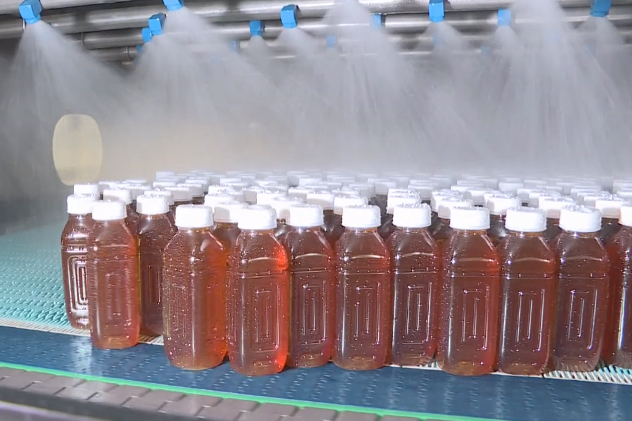
Однако при переносе того же самого рецепта на столитровые промышленные бродильные чаны возникают серьезные производственные проблемы: непредвиденное микробное загрязнение, нестабильная кислотность от партии к партии и неравномерная газировка. Интуитивную логику домашнего пивоварения, основанную на “чувстве”, невозможно напрямую воспроизвести в условиях промышленного производства.
Основу ферментации комбучи составляет SCOBY (симбиотическая культура бактерий и дрожжей) — живая микробная экосистема. В домашних условиях для приготовления используются открытые ёмкости с естественным поступлением кислорода. Результаты в значительной степени зависят от условий окружающей среды, и иногда для достижения необходимой кислотности требуется несколько месяцев ферментации в холодных условиях. Такая неконтролируемая естественная ферментация совершенно не подходит для выполнения коммерческих заказов. Для обеспечения непрерывного и стабильного поставка комбучи Для нужд рынка естественную микробиологическую экосистему необходимо преобразовать в полностью контролируемую инженерную ферментационную систему.
Технологический процесс ферментации комбучи
Качество коммерческой комбучи зависит от того, насколько тщательно проводится двухэтапное брожение.
Первичная ферментация (аэробное сбраживание)
Этот этап осуществляется в открытых, аэрируемых емкостях, при этом температура строго поддерживается в диапазоне от 22 °C до 28 °C. Дрожжи потребляют сахара и вырабатывают этанол; уксуснокислые бактерии далее окисляют этанол до органических кислот, в том числе уксусной и глюконовой.
На этом этапе газирование не происходит, однако получается основной бульон, имеющий решающее значение. Общая кислотность и устойчивость остаточного сахара в первичном бульоне определяют максимальный уровень качества конечного продукта.
Для промышленных предприятий обеспечение стабильной температуры и регулирование содержания кислорода представляют собой серьезные проблемы. Даже незначительные отклонения в температуре или подаче кислорода приводят к различиям в показателях кислотности между партиями продукции. Промышленное производство зависит от управления по замкнутому контуру, обеспечиваемого встроенными датчиками pH и точным контролем температуры.
Вторичное брожение (анаэробная карбонизация и насыщение вкусом)
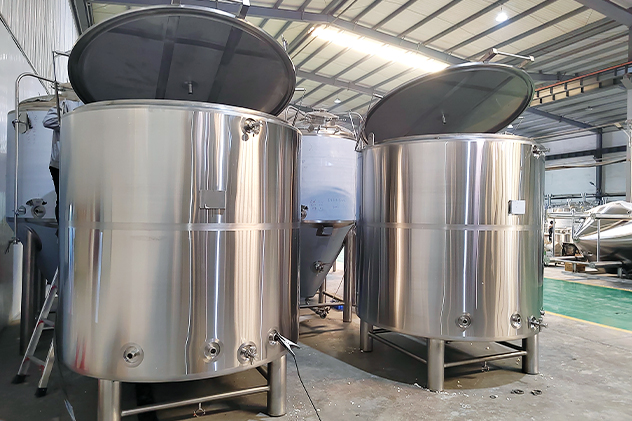
Этот этап является ключевым отличительным признаком комбучи, разработанной для использования в миксологии. Базовая жидкость, полученная в результате первичной ферментации, переливается в герметичные резервуары, рассчитанные на работу под давлением. В нее добавляются ароматические ингредиенты, такие как цитрусовые, ягоды, корень имбиря, растительные компоненты и травы. Остаточный сахар служит источником энергии для продолжающейся анаэробной метаболической активности. Образующийся CO₂ удерживается внутри резервуаров, рассчитанных на работу под давлением, что обеспечивает мелкую естественную газировку. При этом накапливаются ароматические эфирные соединения, формирующие сложные вкусовые профили.
Хорошо оптимизированная комбуча вторичного брожения может напрямую заменять газированную воду, тоник или часть свежевыжатого цитрусового сока в рецептах напитков и коктейлей — в этом заключается её основная коммерческая ценность для цепочек поставок в сегменте B2B.
Неправильный выбор сырья приводит к появлению скрытых рисков, связанных с рецептурой
Не все сорта чая подходят для подкормки культур SCOBY при приготовлении комбучи. Неправильный выбор чая — одна из наиболее распространённых причин неудач в производстве.
Чёрный чай: Самый надежный вариант основы. Высокое содержание полифенолов способствует активному росту SCOBY. Комбуча из черного чая после ферментации отличается приятными нотками карамели и сухофруктов, а также мягкой, сбалансированной кислотностью, что идеально подходит для приготовления насыщенных коктейлей.
Зелёный чай: Обладает ярким травянисто-цветочным ароматом и легким вкусом. Идеально подходит для придания освежающего вкуса коктейлям и подчеркивает верхние ноты свежих фруктов и растений.
Чай улун: Следует рассматривать только слабоокисленные сорта улуна. Собственные сложные ароматы улуна могут неблагоприятно сочетаться с уксусными нотами, возникающими в процессе ферментации. Перед запуском полномасштабного производства всегда следует проводить лабораторные и пилотные испытания. Непосредственный переход к производству крупных партий может привести к полной потере партии.
Выбор чая не должен определяться исключительно тем, насколько хорош его вкус сам по себе. К ключевым критериям оценки относятся микробиологическое состояние SCOBY и целевая вкусовая основа, необходимая для последующего использования в напитках или коктейлях.

Четыре ключевых этапа в производстве в промышленных масштабах
Домашнее приготовление комбучи допускает колебания условий, однако комбуча, поступающая в продажу, должна пройти четыре обязательных этапа технического контроля:
Микробиологическая безопасность
Комбуча — это активный ферментированный напиток. Заражение плесенью, дикими дрожжами или посторонними микроорганизмами может привести к полному порче партии продукции и потенциальным рискам для безопасности пищевых продуктов. Производственная инфраструктура должна предусматривать использование резервуаров гигиенического исполнения и полную функциональность системы очистки на месте (CIP).
Стабильность от партии к партии
Без системы управления с обратной связью, контролирующей температуру, содержание растворенного кислорода, давление в резервуаре, значение pH, а также уровень остаточного сахара, кислотность и сладость будут колебаться от партии к партии, что приведет к жалобам и отклонению заказов со стороны клиентов из сферы производства напитков и барного бизнеса. Промышленное производство не может полагаться исключительно на мастерство мастеров; ключевые параметры процесса должны быть зафиксированы с помощью специальных оборудование для приготовления комбучи.
Гибкие производственные мощности
Начинающим брендам требуются небольшие пилотные партии объемом в несколько сотен литров, тогда как устоявшимся производителям напитков необходимы мощности для высокопроизводительного массового производства. Производственные линии должны иметь гибкую архитектуру, обеспечивающую плавный переход между режимами пилотного и крупносерийного производства.
Количественные показатели вкусовых характеристик
Степень газирования, общая кислотность и интенсивность ароматизации должны быть регулируемыми, измеримыми и воспроизводимыми. Коммерческий успех зависит от обеспечения одинаковых органолептических свойств каждой отдельной партии.
Внедрение ноу-хау в области процессов ферментации в оборудование
Являясь опытным производителем оборудования для пивоварения и производства ферментированных напитков, мы руководствуемся принципом интеграции проверенных знаний и опыта в области ферментации комбучи в проектирование комплексных систем, предлагая полностью функциональные решения «под ключ».
Наш комплексный ассортимент включает системы экстракции чая, специально сконструированные установки для первичной аэробной ферментации с использованием SCOBY, герметичные резервуары для вторичной анаэробной ферментации, модули очистки CIP, комплексы охлаждения и контроля температуры, а также емкости для промежуточного хранения.
Заказчики сообщают нам о позиционировании продукции, целевых показателях производственной мощности и требованиях к вкусовым качествам, а наша инженерная команда на основе этой информации определяет оптимальные конфигурации оборудования и технологические параметры.
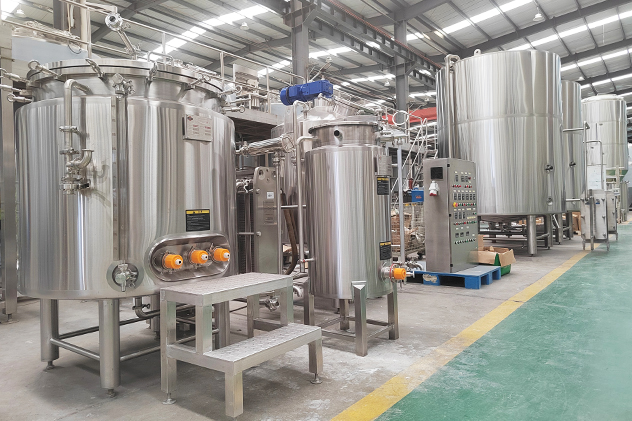
Мы поддерживаем производителей крафтовых напитков, устоявшихся производителей напитков и новых поставщиков, обслуживающих рынок профессиональной барной миксологии. Наши индивидуально разработанные системы помогают клиентам избежать дорогостоящих ошибок при масштабировании производства, возникающих при изготовлении напитков в домашних условиях или на лабораторных прототипах. Клиенты получают возможность надежно производить комбучу, соответствующую стандартам миксологии, сократить операционные расходы и ускорить вывод продукции на рынок.
Комбуча — это гораздо больше, чем просто модный напиток для потребителей. Она выступает в качестве инновационного ферментированного ингредиента в глобальных цепочках поставок напитков и ингредиентов для миксологии. Инвестиции в специально разработанное оборудование, соответствующее принципам ферментации комбучи, позволяют превратить многообещающие вкусовые варианты, выпускаемые небольшими партиями, в продукцию коммерческого качества, которую можно стабильно поставлять на рынок.