
Kombucha, with its fermented balance of sweetness and acidity and its rich flavor profiles, transcends the typical reliance on syrups, juices, and sodas found in traditional cocktails, thereby creating new possibilities for modern mixology. Standardized production is intrinsically linked to specialized kombucha brewing equipment. Today, Tiantai will guide you through the production requirements for kombucha.
I. A Novel Fermented Flavor Profile in Mixology: Kombucha
Kombucha is a live beverage crafted from tea, sugar, and water, fermented by SCOBY (Symbiotic Culture Of Bacteria and Yeast). Its two-stage fermentation process not only imparts natural sweetness, acidity, and effervescence but also allows for flavor customization, positioning it as a premium base for cocktail formulation.
Base Selection
- Tea serves as the foundation for kombucha’s flavor. Production demands precise ingredient selection, considering both the SCOBY’s growth requirements and its compatibility with downstream mixology applications, thereby ensuring consistent batch quality:
- Black Tea: The preferred base, rich in polyphenols, it provides stable nutritional support for the SCOBY. Post-fermentation, it yields inherent caramel, dried fruit, and subtle sweet aromas, effectively balancing the fermented acidity for a smooth, full-bodied profile ideal for robust cocktail bases.
- Green Tea: Post-fermentation, it presents fresh grassy and floral notes, offering a light and vibrant flavor profile suitable for crafting refreshing specialty drinks and enhancing herbal and fresh fruit notes.
- Oolong Tea: Suitable only for lightly fermented varieties, its flavor profile is highly variable and prone to clashing with the acetic notes produced during fermentation. Large-scale production necessitates rigorous testing and cautious selection.
Kombucha Fermentation
①Primary Fermentation (Aerobic Acidification Phase)
The principal objective of this stage is to convert sugars into ethanol, acetic acid, gluconic acid, and other organic acids, establishing a foundational sweet and sour tea base, while simultaneously cultivating a stable SCOBY culture to prepare for secondary fermentation.
Process Criticality: Requires an aerobic, open environment with temperatures maintained between 22-28°C; it must not be sealed. During fermentation, yeast breaks down sugars to produce ethanol, which acetic acid bacteria further oxidize into acetic acid. Simultaneously, a cellulose pellicle is formed, completing the initial acidification.
Flavor Profile: Characterized by tea notes, fermented acidity, and mild sweetness, with no discernible effervescence. This serves as the base liquid for secondary fermentation, with its quality directly dictating the flavor ceiling of subsequent products.
②Secondary Fermentation (Anaerobic Carbonation Phase)
This stage is crucial for developing effervescence and layering flavors, positioning kombucha as a viable option for cocktail applications. All flavor customization steps (e.g., the addition of citrus, berries, ginger, herbs, spices, etc.) are executed during this phase.
Process Criticality: Utilizes a sealed anaerobic environment, maintained at ambient temperature. After transferring the primary fermented liquid into a sealed vessel, flavor ingredients are introduced. Yeast continues to ferment residual sugars, and the generated CO₂ is trapped within the vessel, creating natural carbonation. Concurrently, fermentation yields esters, imparting subtle fruity and floral notes, resulting in a flavor complexity far exceeding that of standard infusion methods.
Flavor Profile: Exhibits natural carbonation and complex fermented acidity, complemented by customized flavors. It can directly substitute traditional cocktail components like soda water, tonic water, and lemon juice, meeting the demands of batch production.
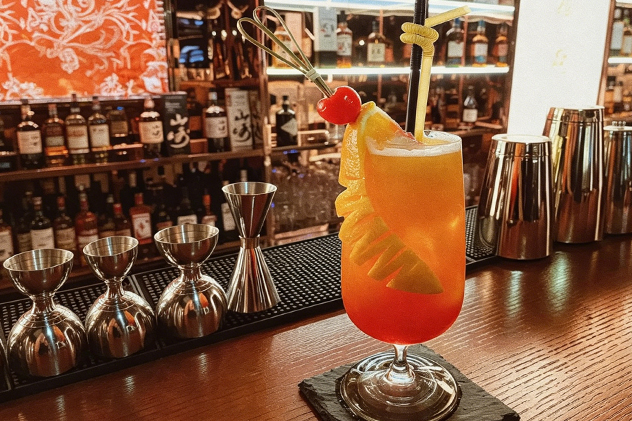
Applications of Kombucha in Cocktails
Post-secondary fermentation, kombucha’s inherent sweet-and-sour profile, natural effervescence, fermented umami notes, and low alcohol content (0.5%-1%) position it as a premium ingredient in contemporary mixology, unlocking significant market potential for kombucha breweries:
- Replacement for Carbonated Beverages: It can directly substitute soda water, tonic water, and ginger beer, imparting finer, more persistent bubbles and a distinct fermented tang to cocktails. This makes it suitable for large-scale supply to restaurant chains and high-end bars.
- Acidity Source: Replacing portions of lemon or lime juice, the organic acids produced during fermentation offer a softer, more complex profile than fresh citrus. This achieves a more refined sweet-and-sour balance in cocktails, while mitigating the logistical challenges and costs associated with fresh fruit juice storage and transportation in industrial production.
- Flavor Base and Enhancer: Kombucha can serve as a direct cocktail base or a substitute for fortified wines like vermouth. It can layer in the aromatic notes of black or green tea with secondary fermentation flavors (e.g., ginger, berry, citrus), enabling the creation of fermented specialty drinks tailored to diverse consumer preferences and enhancing product differentiation.
- Non-alcoholic/Low-alcohol Specialty Drinks: Aligning with current health-conscious consumer trends, this application broadens the consumer base, allowing breweries to expand their product lines and increase market penetration.
II. Kombucha Production Standards
While home-brewed kombucha can be produced with simple equipment like glass jars and cheesecloth, industrial-scale kombucha production (targeting cocktail brands, beverage manufacturers, and restaurant chains) requires meticulous attention to capacity, stability, hygiene, and flavor. These are key service areas for Tiantai as an equipment manufacturer. The following are essential requirements for kombucha production:
- Sterile Environment Requirements: Maintaining a sterile production environment throughout the process is crucial to prevent contamination from mold and other microorganisms. This ensures product flavor integrity, prevents batch rejection, minimizes losses, and guarantees production continuity and product quality.
- Fermentation Stability Requirements: Precise control over critical parameters such as temperature, oxygen levels, and microbial distribution is necessary to minimize fluctuations. This ensures consistency in acidity, carbonation, and flavor across batches, meeting the standardization demands of cocktail brands and ensuring reliable partnerships.
- Capacity Adaptation Requirements: Customized kombucha brewing equipment must be designed to accommodate scaled production needs.
- Flavor Requirements: Precise control over bubble intensity, acidity, and flavor concentration is required to ensure uniform effervescence and balanced flavor extraction, leading to standardized product quality and enhanced market competitiveness.
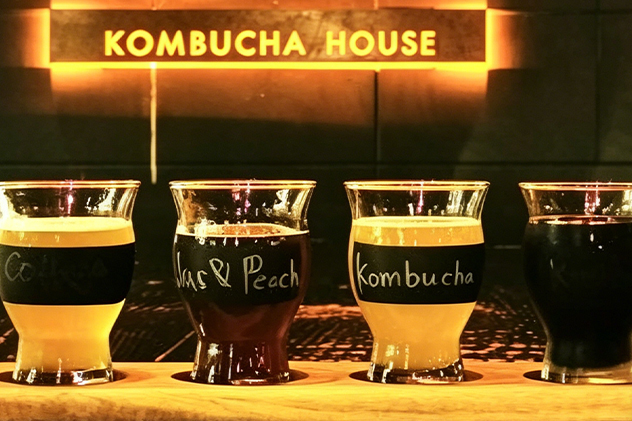
For kombucha production, equipment selection must align with the brewery’s scale and market demand to optimize operational efficiency. As an equipment manufacturer, we are consistently guided by our clients’ production needs, developing and fabricating customized equipment that is tailored to the kombucha brewing process. This approach ensures consistent product quality and flavor while empowering businesses to increase output, reduce costs, and achieve efficient mass production.