
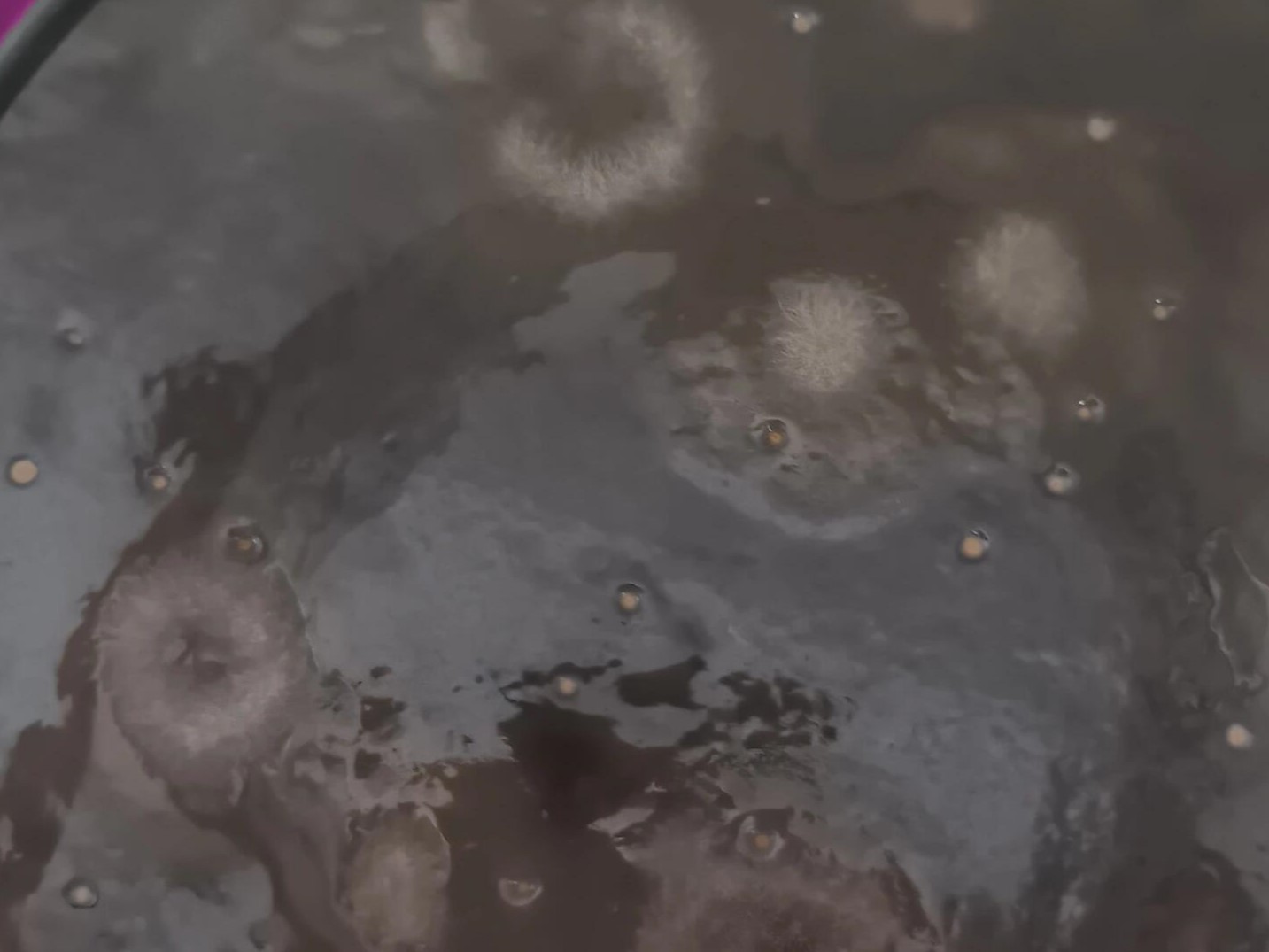
Mold in kombucha typically appears as fuzzy, colored colonies (e.g., green, black, blue) or premature thick pellicles that dome over the surface. It’s often caused by inadequate acidification, temperature fluctuations, contamination from poor sanitation or weak cultures, or environmental factors such as moisture and poor airflow. In commercial settings, where batches can exceed 500L, inconsistencies across large vessels amplify these risks. Here’s how to prevent it:
Maintain Strict Sanitation
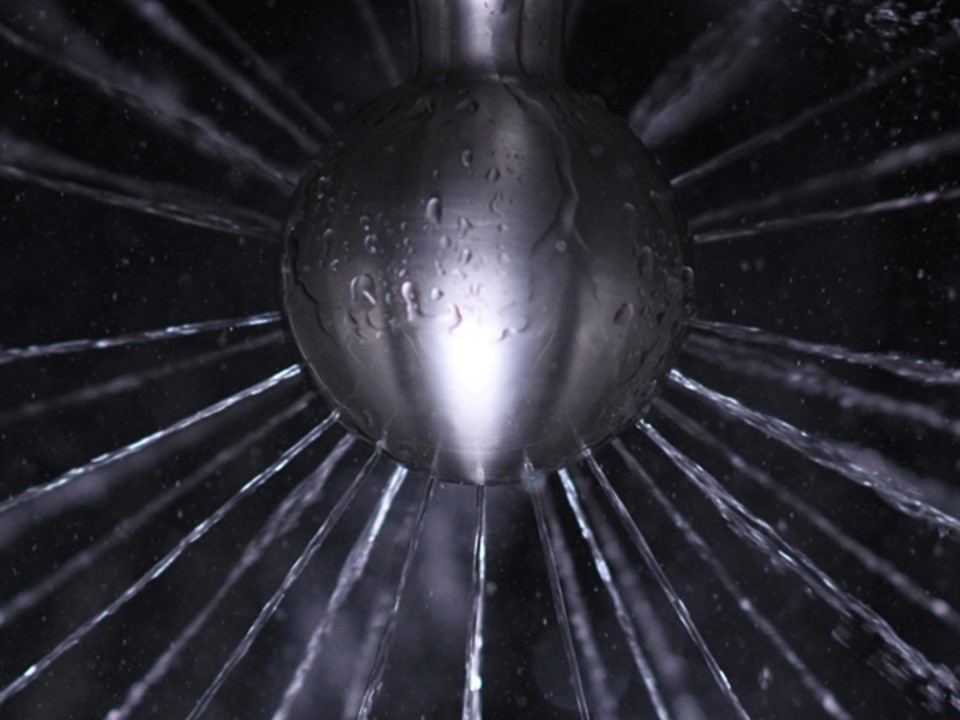
Thoroughly clean and sanitize all equipment, tanks, valves, and tools after each batch using alkaline + acid cycles, followed by rinsing. Avoid harsh chemicals that could imbalance the culture; instead, rinse with clean water. This prevents contaminants like mold spores or vinegar eels from taking hold. For scaling, implement automated CIP systems to ensure consistency.
Use Strong, Acidic Starter Tea
Start each batch with at least 10-20% strong starter tea (2 cups per gallon for smaller pilots, scaling proportionally) to quickly lower pH below 4.5, creating a hostile environment for mold. Aim for a starting pH of 2.5-3.5; test with strips. Avoid vinegar substitutes, as they don’t support the culture and can weaken it over time. In commercial production, use staged maturation for new cultures and maintain SCOBY hotels for fresh, viable starters.
Control Temperature Precisely
Keep 발효 at 24-29°C, ideally 27℃, using glycol jackets, steam systems, or sensor grids to avoid hot/cold zones in large tanks. Temperatures below 18℃ make cultures dormant, allowing mold to thrive; use heating pads or insulation for drafts. Never refrigerate SCOBYs or brews.
Optimize Environment and Covering
Brew in dry areas with good air circulation; avoid moist spots, direct sunlight, proximity to plants, fruit, or pet food. Use pre-washed, tightly woven cloth covers (e.g., t-shirts secured with rubber bands) or filtered airflow systems—avoid cheesecloth, as it allows contaminants. For large tanks, ensure gentle recirculation to prevent pellicle sealing that traps CO₂ and disrupts the brew.
Source Quality Ingredients and Cultures
Use high-quality Camellia sinensis tea (pure black/green blends) and cane sugar; avoid herbal/flavored teas, oils, or non-cane sweeteners that starve cultures. Opt for large, fresh SCOBYs (5-6 inches) from reputable sources—avoid dehydrated or weak ones, which often lead to mold. Keep SCOBY layers together for protection and strain tea fully to remove particles.
Avoid Common Pitfalls
Don’t add flavors to the first fermentation (F1)—reserve for second (F2). If mold appears, discard the entire batch and SCOBY immediately to prevent spore spread. For scaling, increase starter volume to ≥15% and use mesh agitators or pumps for even culture distribution.
Preventing Off-Flavors in Commercial Kombucha Brewing
Off-flavors include sharp vinegar tastes, yeasty/sulfur notes, bitterness, flatness, or overly sour profiles. Causes range from over-fermentation, weak cultures, ingredient imbalances, temperature inconsistencies, or poor agitation in large vessels. Prevention focuses on balance and control.
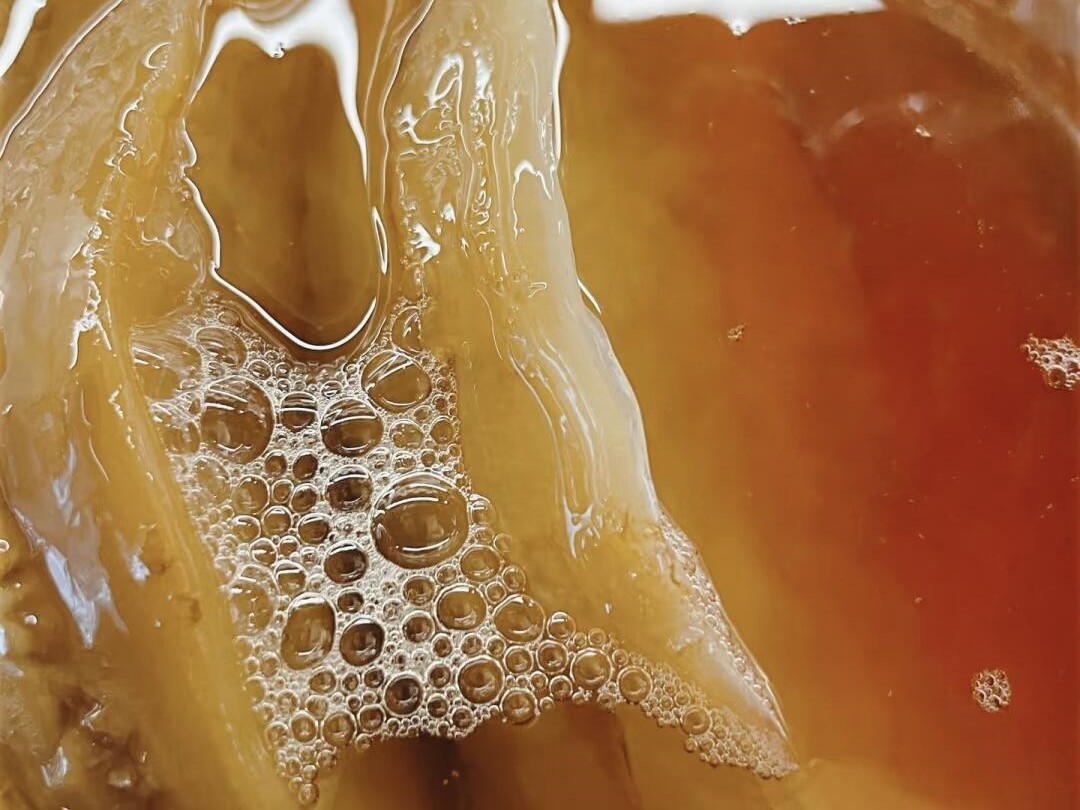
- Balance Fermentation Time and pH: Monitor F1 closely; aim for pH stalling no higher than 3.8. Bottle when slightly sweet to avoid sourness from over-maturity. Use sensors for real-time tracking in commercial tanks.
- Use Proper Ingredients and Ratios: Stick to standard recipes: Steep tea 25-30 minutes to avoid bitterness; use correct sugar amounts (avoid fake/artificial sweeteners or raw honey, which disrupt fermentation). Based on real tea only—flavor in F2 to prevent complications. Source bulk ingredients consistently to prevent impurities.
- Ensure Culture Strength and Agitation: Start with fresh, strong SCOBY and 10-20% starter; weak cultures need cycles to recover. In large fermenters, use circulation pumps or agitators to oxygenate, remove CO₂, and distribute cultures evenly, preventing uneven fermentation and flavors.
- Control Temperature and Environment: Maintain24-29℃ to develop proper flavors; cold slows fermentation, leading to flatness, while heat causes over-fermentation. Add SCOBY only when the tea is at body temperature or below.
- Manage Carbonation and F2: For off-flavors from yeast imbalance, balance yeast in bottles—avoid over-filtering or concentrating dregs. Use forced carbonation in brite tanks for consistency; minimize bottle headspace (<1 cm) and refrigerate after 3-5 days at 23-27℃ to lock flavors without explosions.
- General Tips for Scaling: Test small pilots before full production. Maintain SCOBY hotels with top liquid as starters. Patience is key—normal variations aren’t failures if SCOBY grows healthily.
In achieving the precision, sanitation, and balance discussed above, equipment matters. As a specialist in commercial kombucha brewing systems, we provide the high-quality glycol control, automated CIP, and custom vessels you need for consistent, worry-free batches. Reach out to see how we can support your production. If this doesn’t address your concern or if you have more details about your setup, feel free to inquire!