Kombucha is a functional fermented beverage made from tea leaves, sugar, and water, fermented using a symbiotic culture of tea bacteria.With the rapid growth of the global health beverage market, kombucha has evolved from traditional homemade production to standardized, large-scale industrial manufacturing. Commercial kombucha production requires not only stable raw material processing techniques but also specialized fermentation equipment to ensure consistent product flavor, fermentation efficiency, and food safety.
Throughout the kombucha production process, fermentation tanks are one of the core pieces of equipment that determine product quality. Depending on different production processes, production capacity, and product positioning, the kombucha equipment manufactured by 티안타이 primarily includes: tea brewing tanks, open-top fermentation tanks, closed fermentation tanks, and conical-bottom fermentation tanks. Different types of equipment have distinct characteristics in terms of structural design, oxygen supply, pressure control, and application scenarios.
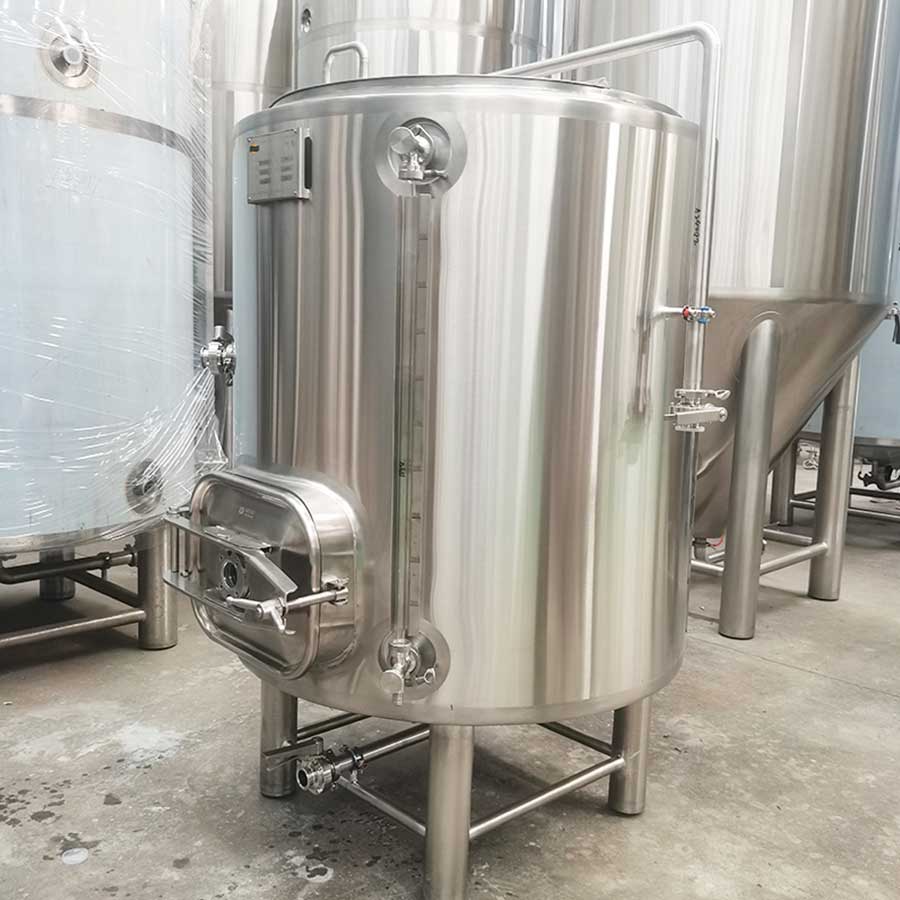
I. Tea Brewing Tank
The kombucha tea brewing tank is primarily used for tea liquor preparation in the early stages of production and serves as a fundamental piece of equipment in the kombucha production process. Its main function is to fully release the tea polyphenols, aromatic compounds, and other active ingredients from the tea leaves through heating and steeping, thereby providing a stable tea base for subsequent fermentation.
Main Functions:
·Heat water and tea leaves to achieve effective extraction;
·Precisely control extraction temperature and time to improve tea liquid quality;
·Complete pre-treatment processes such as tea liquid filtration and mixing with sugar solution;
·Provide a stable nutritional environment for subsequent microbial fermentation.
Product Features:
Food-Grade Hygienic Design
Typically manufactured from SUS304 or SUS316L food-grade stainless steel, with mirror-polished inner walls to minimize material residue and meet beverage production hygiene standards.
Precise Temperature Control
Equipped with temperature sensors and an automatic control system, the extraction temperature can be adjusted according to different tea varieties to improve the consistency of the tea liquor’s quality.
High-Efficiency Heating Methods
Options include steam heating, electric heating, or hot water circulation heating, ensuring more uniform heating of the tea liquor and improving production efficiency.
Easy Cleaning and Maintenance
The equipment can be configured with CIP (Clean-in-Place) ports, sanitary-grade valves, and spray systems to reduce manual cleaning costs and enhance production hygiene standards.

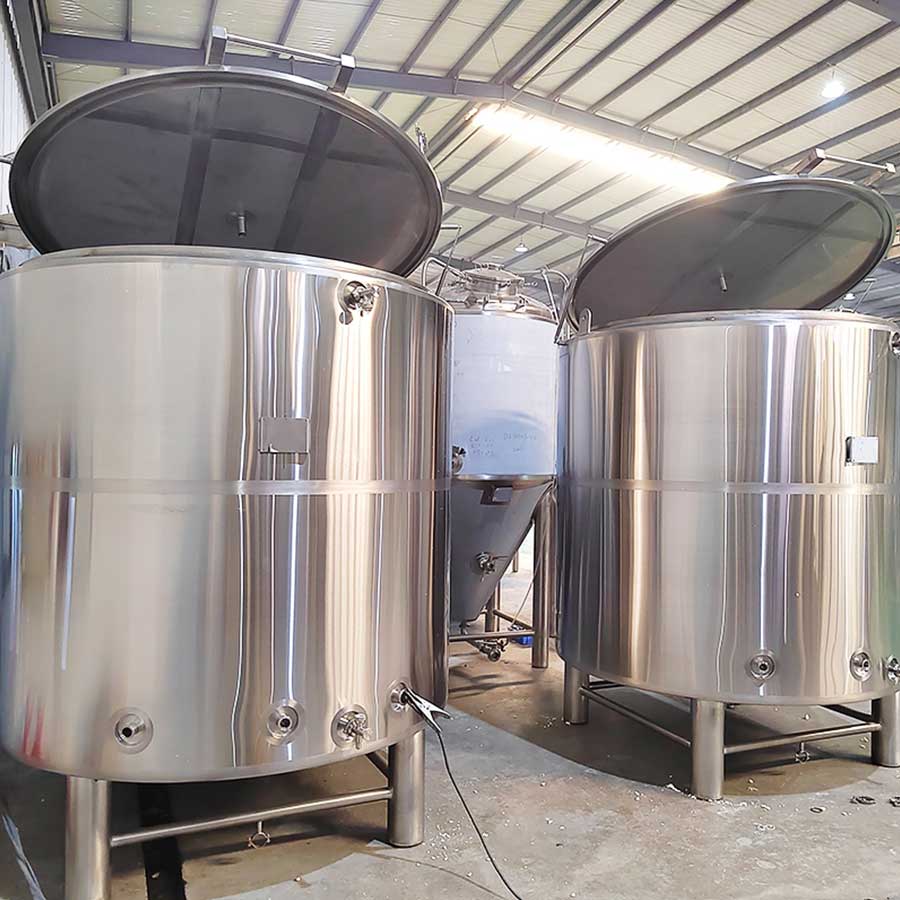
II. Open-Top Fermentation Tank
The open-top fermentation tank is a widely used piece of equipment in traditional kombucha production, primarily employed for the first stage of kombucha fermentation. Since the acetic acid bacteria in kombucha are aerobic, they require a certain amount of oxygen for metabolism during fermentation. Therefore, the open-top design provides an optimal gas-liquid contact environment, which facilitates SCOBY formation and the production of organic acids.
Key functions :
·Providing a suitable growth and fermentation environment for the kombucha culture;
·Controlling fermentation temperature, duration, and oxygen supply;
·Promoting sugar conversion to develop the distinctive flavor of kombucha.
Product Features:
Open-Top Design
The tank top features an open or semi-open design, allowing air to enter naturally and providing ample oxygen to the acetic acid bacteria.
Wide-Bodied, Shallow Design
Typically featuring a larger diameter and a shallow liquid layer, this design increases the surface area of the liquid, facilitating oxygen exchange and the formation of the SCOBY.
Stable Temperature Control
The tank can be equipped with a jacket to control fermentation temperature via circulating hot water or refrigerant, ensuring stable year-round production.
Hygienic and Safe Design
Manufactured from food-grade stainless steel, the tank can be equipped with CIP spray balls, sanitary valves, and sampling ports to enhance industrial hygiene standards.

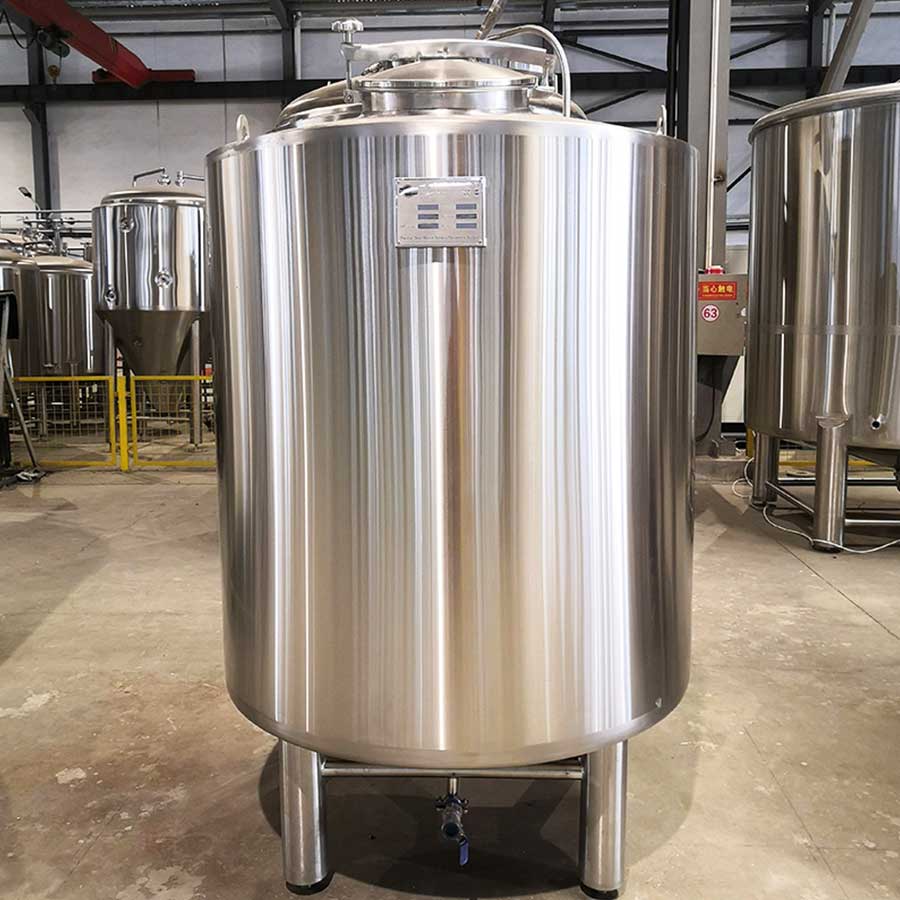
III. Sealed Fermentation Tanks
Sealed fermentation tanks are commonly used equipment in modern commercial kombucha production, primarily for secondary fermentation, flavor adjustment, and carbonation. Compared to traditional open fermentation methods, sealed fermentation tanks allow for more precise control of pressure, hygiene conditions, and product stability, making them ideal for large-scale production.
Main Functions:
·Conduct secondary fermentation and aging;
·Control carbon dioxide production to enhance the product’s effervescence;
·Add fruits, fruit juices, spices, and other ingredients for flavor development;
·Reduce the risk of external contamination and improve product stability.
Product Features:
Fully Sealed Hygienic Structure
The sealed tank design minimizes the entry of airborne contaminants, enhancing food safety.
Pressure Control Capabilities
The equipment can be designed with a pressure-resistant structure according to process requirements and is equipped with safety components such as pressure gauges and safety valves to ensure stable fermentation.
Carbonation Capability
Can be configured with a CO₂ inlet and a carbonation stone to achieve a finer, more stable effervescence in kombucha.
High Degree of Automation
Can be integrated with automatic temperature control systems, pressure control systems, and CIP cleaning systems to achieve standardized production.

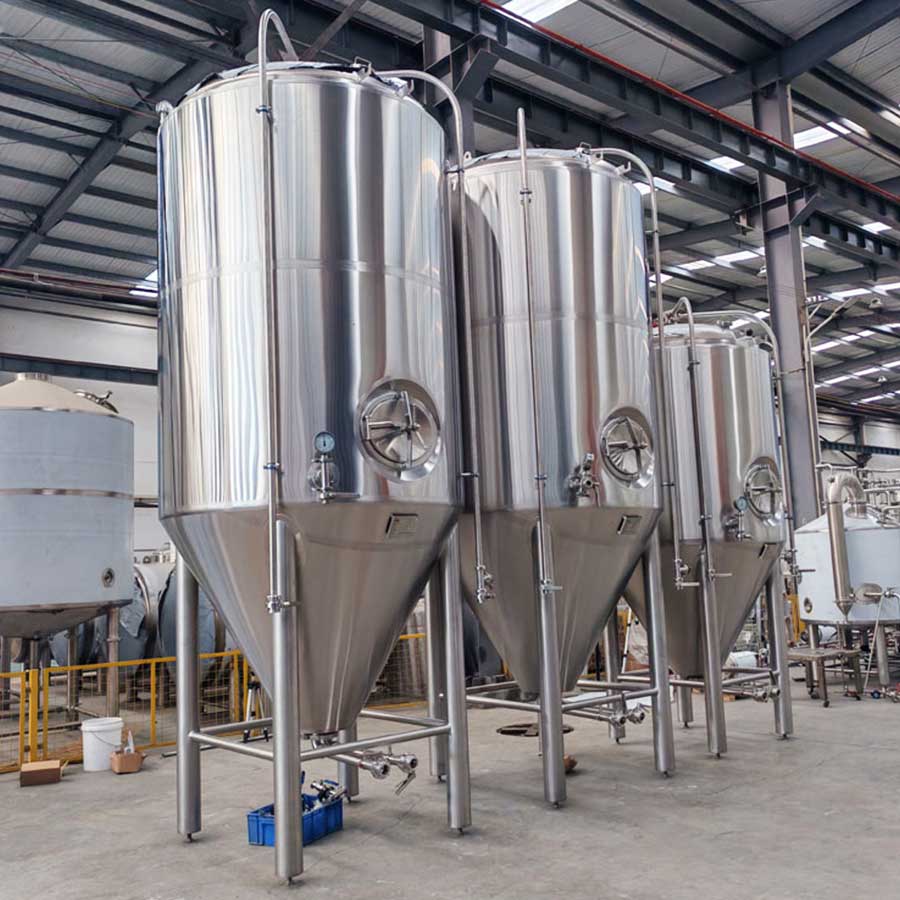
IV. Conical-Bottom Fermenters
The conical-bottom fermenter is a modern industrial fermentation device that utilizes a conical bottom structure to facilitate the centralized collection and rapid discharge of sediment. This type of equipment is widely used in the beer, fruit wine, and fermented beverage industries and is also increasingly being adopted in large-scale kombucha production.
Key functions:
·Enabling stable fermentation process control;
·Collecting SCOBY fragments and fermentation sediment;
·Improving product clarity;
·Simplifying the sludge discharge and cleaning processes.
Product Features:
Conical Bottom Design
The conical bottom structure naturally concentrates sediment at the bottom discharge port, facilitating discharge and recovery.
Enhanced Production Efficiency
Reduces manual cleaning work and increases continuous production capacity, making it suitable for large-scale factories.
Intelligent Control
Can be configured with temperature probes, pressure control systems, and automatic CIP cleaning systems to achieve automated management.
Versatile Applications
Suitable not only for kombucha fermentation but also for maturation, storage, and clarification, thereby improving equipment utilization.

Enterprises of different scales and with varying production needs should select appropriate equipment based on product positioning, production processes, and automation requirements.
Small-scale kombucha producers: Open-top fermentation tanks are recommended. The open-top design better aligns with the aerobic fermentation characteristics of traditional kombucha, promoting SCOBY cultivation and the development of distinctive flavors.
Commercial-scale production: We recommend a combination of open-top fermentation tanks and closed fermentation tanks. By conducting aerobic fermentation in the first stage followed by closed maturation in the second stage, this approach ensures consistent product flavor and enables large-scale production.
Large-scale automated plants: Conical-bottom fermentation tanks can be used in conjunction with CIP cleaning, automatic temperature control, and pressure control systems to improve production efficiency.
Developing Products with Distinctive Flavors: Different types of fermentation equipment can be configured according to process requirements to develop kombucha with flavors such as fruit and herbal.
Tiantai Equipment specializes in fermentation beverage equipment and comprehensive solutions. We provide customized kombucha production equipment and complete production line solutions based on customers’ production capacity needs, product types, and production processes.