
Kombucha, a healthy beverage that contains probiotics and natural fermented flavors, has seen a surge in popularity among health-conscious consumers worldwide in recent years. For entrepreneurs looking to enter the commercial kombucha production industry, understanding the start-up costs, necessary equipment, and compliance requirements is crucial. This guide will provide a comprehensive overview of the steps needed to start a kombucha production facility, from obtaining licenses to selecting the right equipment, offering practical support for building a successful kombucha brewery.
Licenses for Your Kombucha Production Facility
To ensure that your kombucha production process meets hygiene standards and complies with relevant regulations, businesses must obtain several necessary licenses and permits. Here are the key licenses and permits you will need:
Food Processing/Production License
As a food and beverage product, kombucha production must comply with local food safety and hygiene standards. Therefore, you will need to apply for a state or regional food processing/production license. The requirements for production facilities and hygiene conditions vary by region, so it’s essential to consult with local regulatory authorities to understand specific procedures.
Local Business License
In addition to the food production license, you will need to obtain a local business license. This license legitimizes your business within the operational area and ensures that you are in compliance with local regulations, such as zoning laws and taxes.
Sanitation Department License
To ensure that strict hygiene standards are followed throughout production, kombucha producers must obtain a relevant license after inspection and approval by the sanitation department. These inspections typically involve the cleanliness and hygiene of the production facility, employee health management, and the proper storage and transportation conditions of the product.
Alcohol Management License (if applicable)
During the fermentation process, kombucha produces trace amounts of alcohol. If the alcohol content exceeds 0.5% ABV (Alcohol By Volume), you will need to apply for an alcohol license from the relevant local alcohol regulatory agency. This is crucial if your product exceeds the alcohol threshold.
Failure to comply with these regulations can result in hefty fines or even the closure of your business. Therefore, obtaining the necessary licenses and permits is critical to operating legally.
Startup Costs for Kombucha Production
Starting a kombucha brewery requires several key investments. In addition to purchasing equipment, you’ll need to consider costs for facility rental, labor, and raw material procurement. Here are some of the primary cost considerations:
Facilities and Real Estate Costs
Kombucha production requires specialized facilities, typically spacious, well-ventilated, and hygienic. Depending on your location, renting such a facility can cost anywhere from a few thousand to tens of thousands of dollars per month, depending on the location, facility size, and lease terms.
Equipment Investment
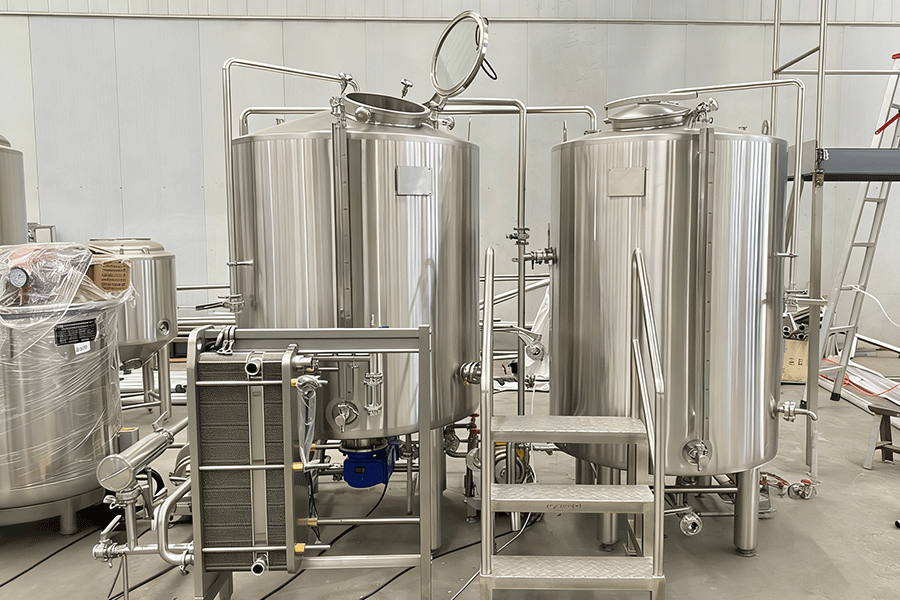
Investing in efficient, high-quality equipment is essential to the success of your kombucha production. Here are some key pieces of equipment required:
Stainless Steel Fermentation Tanks: These tanks are central to the kombucha brewing process. Made of stainless steel, they are corrosion-resistant and easy to clean. The number and size of fermentation tanks needed will depend on your production volume and batch cycle. Small-scale production may only require a few smaller tanks, while large-scale production will require larger tanks.
Bright Tanks for Carbonation and Maturation: After fermentation, kombucha needs to be carbonated and matured to develop its signature flavor and effervescence. bright tanks are often used to regulate temperature and humidity, allowing the kombucha to mature and carbonate over time.
Filtration Systems: Filtration systems are necessary to remove yeast and other microorganisms from the fermented kombucha, ensuring the product remains clear and stable. This step is essential to maintaining the product’s quality and appearance.
Packaging Equipment: As production scales up, automated packaging equipment becomes increasingly important. Automated filling, capping, and labeling machines significantly improve packaging efficiency, reduce manual labor, and lower production costs.
Labor Costs
In the initial stages, you may only need a small number of employees for production, packaging, and quality control. As your production volume increases, however, you’ll need to hire additional employees to handle other aspects of the business, such as marketing, logistics, and customer service.
Other Costs to Consider
In addition to the main equipment investments and licensing fees, there are some additional costs you should account for:
Raw Material Costs
Key raw materials for kombucha include organic tea, sugar, starter cultures (SCOBY), and any flavor additives. The cost of raw materials will vary depending on your suppliers and purchase volume. It is essential to source high-quality ingredients to ensure the taste and consistency of your product.
Marketing and Branding
Building a strong brand presence is crucial for standing out in the competitive kombucha market. Costs for branding can include designing attractive labels, developing marketing campaigns (both online and offline), and managing social media accounts. Marketing expenses can range from a few thousand dollars to tens of thousands of dollars, depending on the scale of the campaign.
Transportation and Distribution Costs
Once the kombucha is produced, you will need to consider the logistics of delivering it to consumers. This includes transportation costs, warehousing (if needed), and potential discounts offered to wholesalers or retailers.
Ensuring the Profitability of Your Kombucha Brewing Business
While starting a kombucha production facility requires significant initial investment, the business can be highly profitable if managed well. Here are some strategies to ensure long-term profitability:
Focus on Consistent Product Quality: Maintaining a high, consistent level of quality in your kombucha is essential for building customer loyalty and encouraging repeat purchases.
Differentiate Your Brand: Meet diverse consumer needs by offering unique flavors or organic, additive-free kombucha. Specialization can help differentiate your product in the market.
Optimize Production Efficiency: Improve your production process and reduce unit costs by using automated equipment and refining your management strategies.
Targeted Marketing and Positioning: Effectively target specific market segments, such as health-conscious consumers or young people, through tailored marketing campaigns. This will help increase brand awareness and customer engagement.
Kombucha production has substantial market potential, and with the growing demand for health-focused beverages, now is an ideal time to enter the market. However, success requires careful planning, sufficient capital investment, and a solid understanding of market demand. By choosing the right equipment, complying with regulatory requirements, and focusing on building a strong brand, your kombucha business can stand out in a competitive market and achieve long-term success.
If you’re looking to start a kombucha brewery, TianTai offers a comprehensive solution, providing everything you need for building a complete kombucha brewery.