
Water is more than an ingredient
Tea, sugar, and a SCOBY are often considered the three essential ingredients of kombucha. However, one ingredient makes up more than 95% of the final beverage and has a profound influence on fermentation, flavor, and batch consistency—water.
Many home brewers simply use tap water after boiling it. In commercial kombucha production, however, water quality is carefully managed because variations in mineral content, hardness, alkalinity, chlorine, and chloramine can affect every stage of production.
At Tiantai, we help kombucha breweries design complete processing systems, including water treatment, tea extraction, fermentation, and packaging, ensuring consistent product quality from batch to batch.
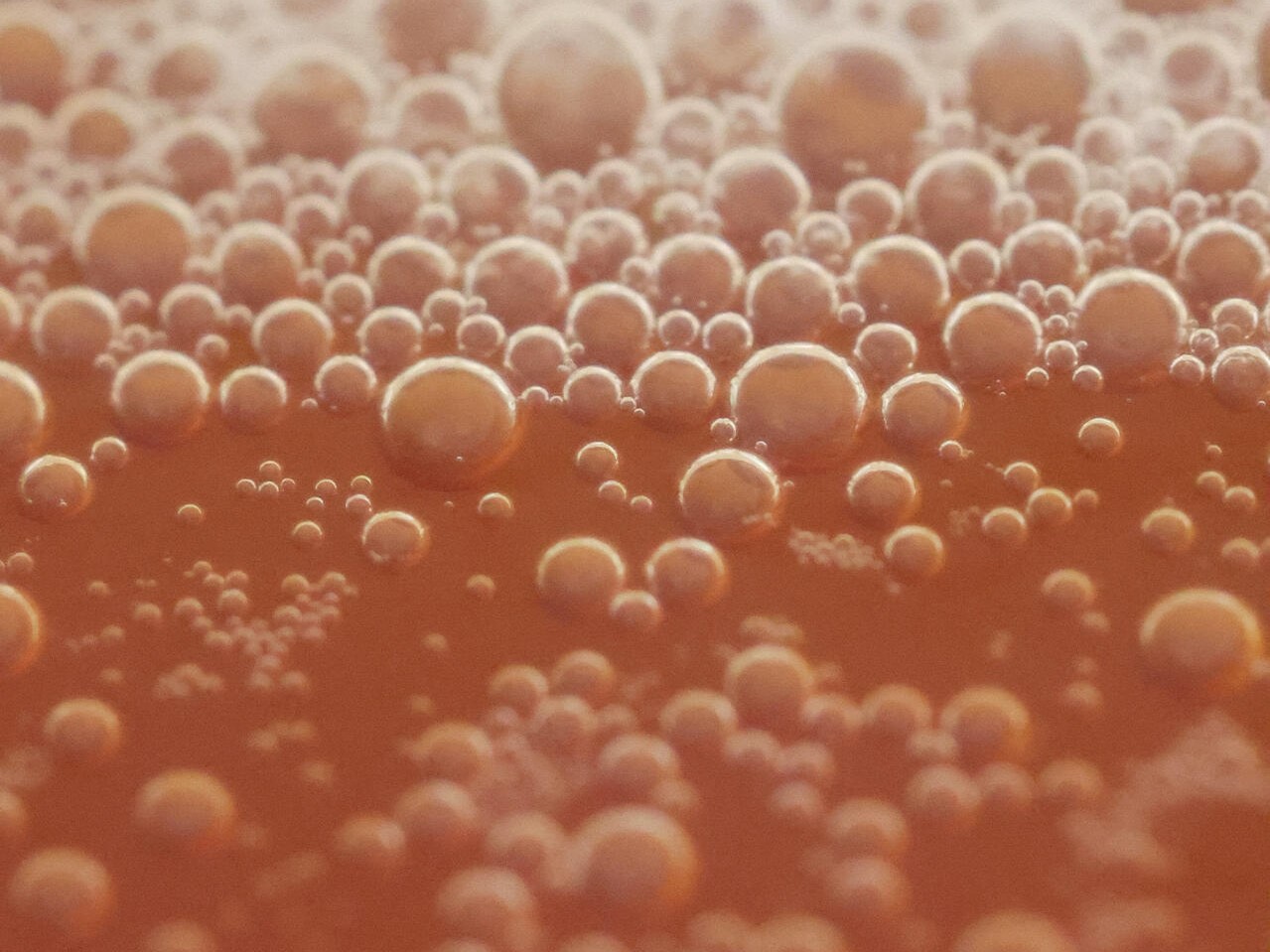
Different water sources have different chemical profiles
Not all water is created equal. Each water source contains a unique balance of dissolved minerals and disinfectants.
| Water Source | Typical Characteristics | Advantages | Potential Challenges |
| Municipal Tap Water | Variable hardness, chlorine, or chloramine | Economical and readily available | Mineral fluctuations and disinfectants |
| Carbon Filtered Water | Chlorine removed, minerals retained | Excellent balance for tea brewing | Chloramine removal may require specialized carbon |
| Reverse Osmosis (RO) Water | Very low TDS and mineral content | Highly consistent | May require remineralization |
| Distilled Water | Nearly mineral-free | Extremely pure | Poor tea extraction and reduced buffering capacity |
| Spring Water | Natural minerals | Rich flavor potential | Mineral composition varies by source |
| Mineral Water | High mineral concentration | Distinctive taste | Excessive hardness may affect extraction |
The most important water parameters include:
- Calcium (Ca)
- Magnesium (Mg)
- Hardness
- Alkalinity
- Total Dissolved Solids (TDS)
- pH
- Free Chlorine
- Chloramine
- Iron
- Manganese
For commercial production, consistency is often more important than absolute purity.
Water affects tea before it affects the SCOBY
Many brewers focus only on the microbial culture. In reality, the first interaction occurs during tea preparation.
Water serves as the extraction medium for:
- Tea polyphenols
- Catechins
- Caffeine
- Amino acids
- Aroma compounds
Minerals such as calcium and magnesium influence how these compounds dissolve from tea leaves. Water hardness also affects color, mouthfeel, and antioxidant extraction.
This means two kombucha batches made with identical tea, sugar, and SCOBY can begin fermentation with chemically different tea infusions simply because different brewing water was used.
Recent research has demonstrated that water ionic chemistry alone can significantly influence the chemical composition and sensory properties of kombucha.
How different water components affect the SCOBY
A SCOBY is a living symbiotic culture of yeasts and acetic acid bacteria. Like all microorganisms, it depends on a suitable chemical environment.
Beneficial Minerals
Moderate concentrations of calcium and magnesium support enzyme activity and microbial metabolism.
Potassium contributes to yeast growth and sugar metabolism.
Trace minerals participate in numerous enzymatic reactions involved in fermentation.
Chlorine
Municipal water often contains free chlorine for disinfection.
Although boiling removes much of the free chlorine, residual chlorine may still inhibit sensitive microorganisms if concentrations remain high.
Activated carbon filtration is commonly used before brewing to eliminate chlorine-related off-flavors.
Chloramine
Many municipal water systems now use chloramine instead of free chlorine because it is more stable.
Unlike chlorine, chloramine is not effectively removed by simple boiling and may require catalytic activated carbon or reverse osmosis treatment.
Excessive Hardness
Very hard water can:
- Reduce tea extraction efficiency
- Increase buffering capacity
- Alter acid development
- Change mouthfeel
- Reduce flavor clarity
Extremely Pure Water
Reverse osmosis or distilled water provides excellent consistency but contains almost no minerals.
Many commercial beverage manufacturers, therefore, remineralize RO water to achieve a controlled mineral profile before production.
Water quality influences fermentation kinetics and flavor
Scientific studies have shown that water chemistry affects much more than microbial survival.
Different water profiles can influence:
- Fermentation rate
- pH reduction
- Organic acid production
- Sugar utilization
- Cellulose pellicle formation
- Aroma compound generation
- Antioxidant activity
These effects become increasingly important in commercial production where every batch must meet identical quality standards.
Choosing the right water treatment system
Different treatment technologies serve different purposes.
|
Treatment Method |
Removes Chlorine | Removes Minerals |
Recommended for Kombucha |
|
Activated Carbon |
Yes | No | Excellent |
|
Water Softener |
No | Reduces hardness | Optional |
|
Reverse Osmosis |
Yes | Yes |
Excellent with remineralization |
| UV Sterilization | No | No |
Final microbial protection |
| Distillation | Yes | Yes |
Rarely used commercially |
Rather than seeking the purest water possible, successful kombucha brewers aim for stable, repeatable water quality.
Why choose Tiantai for commercial kombucha projects?
Every kombucha brewer starts with a different water source. Municipal water may contain chlorine or chloramine, groundwater often has high hardness or iron content, while some regions experience seasonal fluctuations in water chemistry. Without proper treatment, these variations can lead to inconsistent tea extraction, unstable fermentation, and noticeable differences in flavor from batch to batch.
Instead of treating water as a fixed ingredient, leading beverage manufacturers treat it as a controllable process parameter.
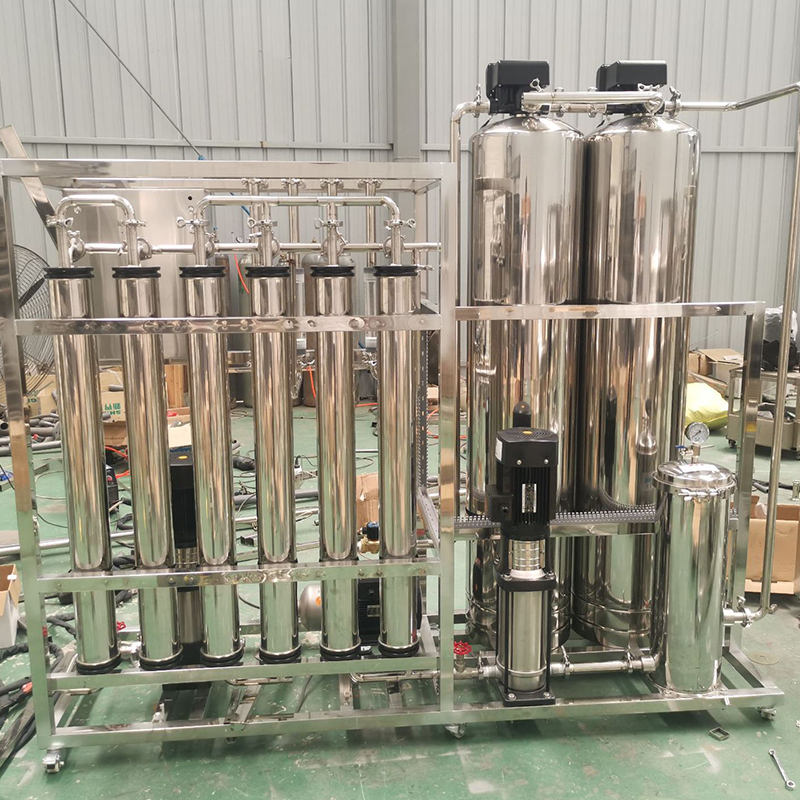
Tiantai provides complete water treatment solutions that can be integrated into commercial kombucha production lines. Depending on the local water quality and production requirements, our engineering team can customize a complete water preparation system, including:
- Multi-media filtration for suspended solids removal
- Activated carbon filtration for chlorine, chloramine, and organic contaminants
- Water softening systems for hardness control
- Reverse osmosis (RO) systems for high-purity process water
- Mineral adjustment (remineralization) for optimized brewing water profiles
- UV sterilization for microbial safety
- Process water storage and automatic distribution systems
Unlike standard industrial RO units, Tiantai’s beverage water treatment systems are designed specifically for fermentation applications. The complete process—from quartz sand filtration and activated carbon pretreatment to reverse osmosis and optional post-treatment—helps remove suspended solids, heavy metals, chlorine, chloramine, microorganisms, and excess dissolved salts while allowing producers to precisely adjust TDS, mineral composition, and pH according to their production needs.
Whether you are producing traditional kombucha, flavored kombucha, hard kombucha, or other fermented tea beverages, a stable water profile provides a reliable foundation for consistent fermentation and repeatable product quality.
As a global supplier of turnkey beverage processing systems, Tiantai can provide not only fermentation tanks but also complete utility systems—including water treatment, CIP, process piping, automation, filling, and packaging—to build an integrated kombucha production facility from water intake to the finished product.
Conclusion
Water is not simply a carrier for tea and sugar—it is one of the most important process variables in kombucha production.
Its mineral composition determines how tea is extracted, influences microbial metabolism, affects fermentation kinetics, and ultimately shapes the flavor, aroma, and consistency of the finished beverage.
For commercial producers, investing in proper water treatment is one of the most effective ways to improve product quality and ensure consistent fermentation.
With Tiantai’s integrated kombucha processing solutions, manufacturers can build reliable, scalable production systems that deliver consistent results from the first batch to the thousandth.