
Спросите, что нужно для приготовления комбучи, и ответ, как правило, сводится к одному знакомому слову: SCOBY.
Для многих поколений домашних производителей комбучи густой желеобразный слой, плавающий на поверхности чая, стал практически синонимом процесса брожения комбучи. Однако промышленное производство комбучи требует более точного понимания того, что на самом деле происходит внутри бродильной емкости.
Видимая пленка SCOBY и ферментированная жидкость связаны между собой, но эти термины не являются взаимозаменяемыми. И та, и другая могут содержать микроорганизмы, участвующие в процессе ферментации, при этом жидкость также содержит кислоты и метаболиты, уже произведённые культурой.
Итак, при запуске новой партии действительно ли комбуче нужна физическая пленка SCOBY?
На практике ответ не столь однозначен.
Для ферментации комбучи необходима активная микробиологическая культура и подходящая среда для ферментации. Сама пленка — не единственный способ обеспечить эту культуру.
Для коммерческих производителей это различие имеет важное значение, поскольку цель заключается не просто в том, чтобы один раз запустить процесс ферментации. Цель состоит в том, чтобы наладить повторяемый процесс инокуляции, который можно интегрировать в контролируемую производственную систему.
Что на самом деле означает аббревиатура SCOBY?
SCOBY — это аббревиатура от «Symbiotic Culture of Bacteria and Yeast» (симбиотическая культура бактерий и дрожжей).
Этот термин обозначает не просто толстый целлюлозный слой, образующийся на поверхности напитка, а микробиологическое сообщество, участвующее в процессе ферментации комбучи.
В процессе ферментации дрожжи и бактерии взаимодействуют друг с другом. Дрожжи усваивают сахара и вырабатывают различные соединения, в том числе этанол, тогда как уксуснокислые бактерии могут преобразовывать этанол в органические кислоты. Некоторые бактерии также вырабатывают целлюлозу, которая постепенно превращается в плавающий биопленку, обычно называемую пленкой SCOBY.
Это означает, что две связанные между собой вещи часто объединяются под одним названием:
Микробная культура — сообщество живых организмов, обеспечивающее процесс брожения.
Пленка — богатая целлюлозой биопленка, образующаяся в процессе ферментации.
Это различие играет важную роль при разработке промышленного процесса.
Пленка может содержать микроорганизмы, но она не является просто твердой “закваской” в том же смысле, что и микробный инокулят. Окружающая её ферментированная жидкость также обладает микробиологической активностью и может переносить значительную часть культуры в новую партию.
Что такое пленка SCOBY?
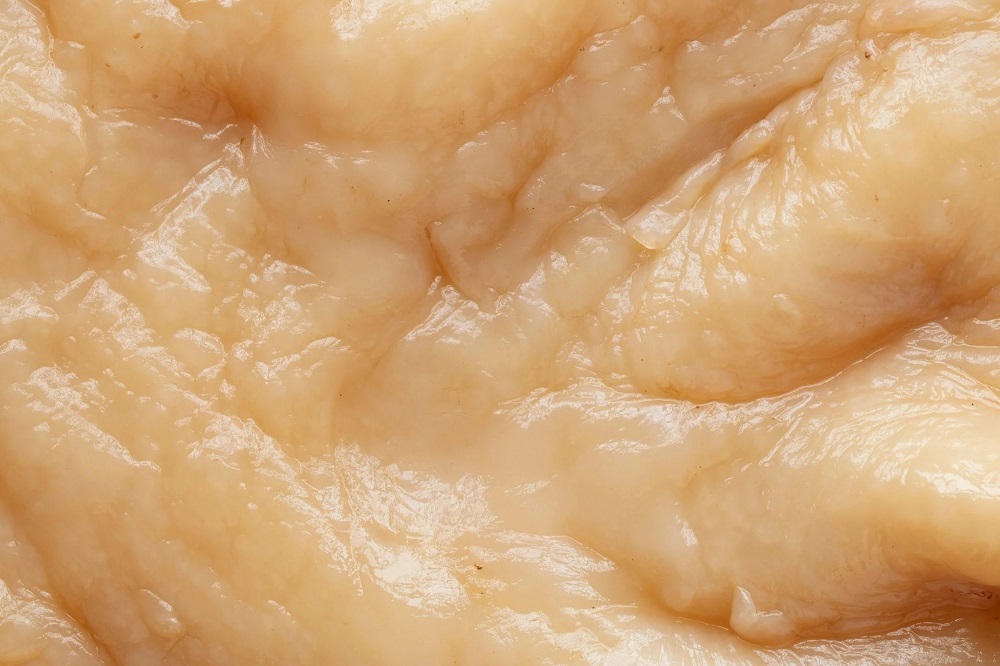
Знакомый резиноподобный слой, образующийся на поверхности бродильной массы комбучи, представляет собой биопленку с высоким содержанием целлюлозы.
Она образуется на границе раздела «воздух-жидкость», поскольку некоторые уксуснокислые бактерии в процессе ферментации вырабатывают целлюлозу. Микроорганизмы могут внедряться в эту структуру, создавая физическую среду, благоприятную для роста и взаимодействия микроорганизмов.
Толщина и внешний вид пленки могут значительно варьироваться.
В результате нормального ферментационного процесса в одной партии может образоваться тонкий, ровный слой, а в другой — гораздо более толстый или неровный слой. На его внешний вид могут влиять микробиологический состав, доступность кислорода, температура, состав субстрата, условия ферментации и ее продолжительность.
Следовательно, появление пленки не является надежным самостоятельным показателем эффективности ферментации.
Наличие толстой пленки не обязательно означает, что ферментационная культура более активна. Точно так же тонкая пленка не всегда свидетельствует о неудачном ходе ферментации.
Для промышленного производства гораздо более полезную информацию дают такие технологические показатели, как pH, кислотность, температура, время брожения, расход сахара и органолептические характеристики.
Что такое заквасочная жидкость?
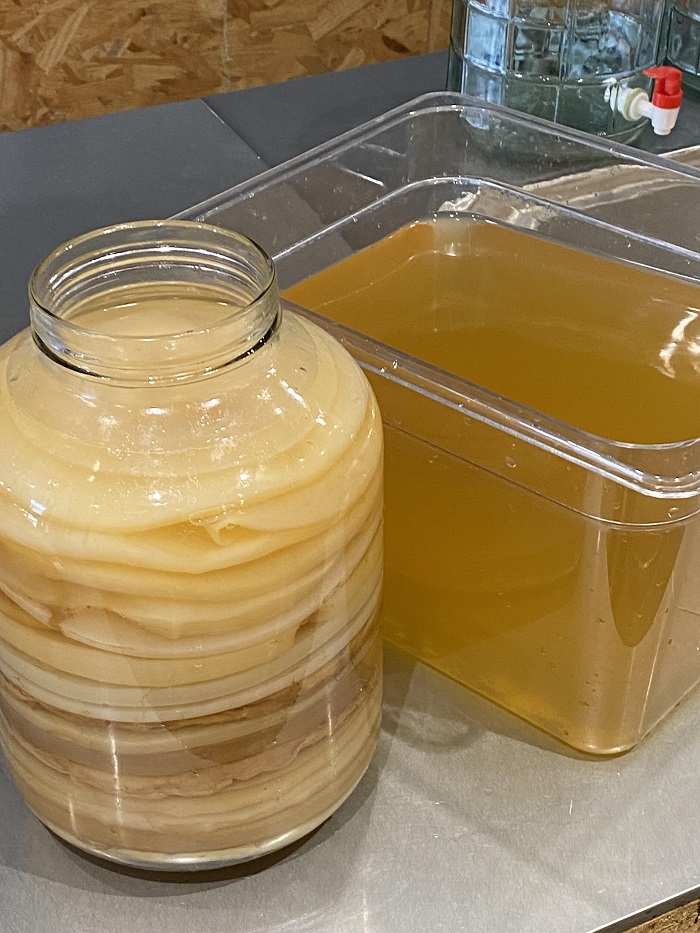
Закваска — это ферментированная комбуча, оставленная после завершенного процесса брожения и используемая для засева свежеприготовленного сладкого чая.
В отличие от твердой пленки, стартерную жидкость можно переливать отмеряемыми объемами.
Она содержит микроорганизмы, оставшиеся от предыдущего брожения, а также органические кислоты, которые уже накопились в процессе брожения. Таким образом, добавление этой кислой бродильной жидкости в свежий сладкий чай изменяет исходные условия новой партии с момента проведения инокуляции.
Это одна из главных причин, по которой заквасочная жидкость так полезна в промышленном производстве.
Производитель не начинает с совершенно новой микробиологической среды. Вместо этого в новую партию вводится уже сформировавшаяся ферментационная культура.
Таким образом, этот процесс можно представить следующим образом:
Первичная ферментация → Закваска → Свежий сладкий чай → Вторичная ферментация
Затем новая партия приобретает свой собственный профиль брожения, становясь при этом источником закваски для следующего производственного цикла.
Нужна ли комбуче физическая пленка SCOBY?
Не обязательно.
Микроорганизмы, участвующие в процессе ферментации комбучи, присутствуют как в ферментированной жидкости, так и в пленке. Поэтому перенос достаточного количества активной ферментированной жидкости может обеспечить новую партию инокулятом даже без переноса большого целлюлозного слоя.
Это не значит, что пленка бесполезна.
Пленка может содержать разнообразное микробиологическое сообщество и сохраняться в рамках практики управления культурой, применяемой производителем. В некоторых методах производства могут целенаправленно использоваться как материал пленки, так и ферментированная жидкость.
Важно отметить, что твердую пленку не следует путать со всей ферментационной культурой.
С коммерческой точки зрения вопрос, следовательно, должен быть сформулирован не так:
“Сколько SCOBY нужно положить в емкость?”
и в сторону:
“Какое количество активного инокулята требуется и как можно контролировать его состояние от партии к партии?”
Это гораздо более полезный подход к рассмотрению процесса ферментации комбучи в промышленных масштабах.
Почему жидкая закваска зачастую более практична при производстве в промышленных масштабах
Промышленная система ферментации разработана с учетом требований к воспроизводимости результатов.
Предположим, что у производителя есть несколько бродильных чанов, работающих одновременно. Каждая новая партия должна получать закваску в достаточно стабильных условиях.
Жидкий заквас упрощает этот процесс, поскольку его можно:
- в объёме
- прокачивается по санитарным трубопроводам
- переливается непосредственно в бродильный чан
- отбор проб для анализа
- проводится контроль pH и кислотности
- включено в установленную производственную процедуру.
Целлюлозную пленку гораздо сложнее привести в соответствие со стандартами.
Его толщина, размеры, содержание влаги и распределение микроорганизмов могут варьироваться от партии к партии. Ручная обработка крупных кусков пленки также требует дополнительных этапов обработки.
Это не означает, что с биологической точки зрения жидкость сама по себе “лучше”, чем пленка. Это означает, что жидкую фазу, как правило, проще интегрировать в инженерный промышленный процесс.
Для производственного предприятия простота проведения измерений и перемещения может быть не менее важна, чем биологические характеристики культуры.
Почему важен начальный уровень pH
Одно из важнейших отличий между свежим сладким чаем и выдержанной комбучей — это кислотность.
Свежезаваренный сладкий чай представляет собой относительно благоприятную среду для широкого спектра микроорганизмов. Ферментированная комбуча, напротив, содержит органические кислоты, образующиеся в процессе микробиологического обмена веществ, и поэтому имеет гораздо более низкий уровень pH.
Когда в новую партию добавляют закваску, она не просто вносит микроорганизмы.
Кроме того, он придает кислотность.
Это позволяет начать новый процесс ферментации в условиях, которые уже напоминают условия зрелой ферментации комбучи. Эффект подкисления особенно важен на ранней стадии, до того как новая микробиота начнёт вырабатывать значительные количества органических кислот.
В условиях промышленного производства контроль над этим начальным состоянием может способствовать повышению предсказуемости процесса ферментации.
Однако pH не следует рассматривать как единственный показатель качества.
При промышленном производстве комбучи, как правило, необходимо учитывать уровень pH наряду со временем ферментации, температурой, расходом сахара, поведением культуры и техническими характеристиками готового напитка.
Можно ли завести комбучу, используя только закваску?
Активная закваска может обеспечить микробиологический инокулят, необходимый для запуска ферментации, однако её эффективность зависит от состояния культуры и условий протекания процесса.
Закваска должна содержать подходящую и активную микробиологическую флору. Свежий чай также должен служить подходящим субстратом, а условия ферментации должны обеспечивать рост целевой культуры.
Именно поэтому простое добавление в сладкий чай произвольного количества кислой комбучи не гарантирует стабильного результата при промышленном брожении.
Качество закваски имеет большое значение.
Продюсеру следует учитывать следующее:
- Насколько зрелая закваска?
- Насколько он кислый?
- Как его хранили?
- Подвергалось ли оно воздействию факторов, способных нанести ущерб культуре?
- Сохранилась ли стабильность микробиологической культуры в ходе многократных циклов культивирования?
- Обеспечивает ли закваска предсказуемое течение брожения?
Эти вопросы приобретают всё большее значение, когда одна и та же культура передаётся на протяжении многих производственных циклов.
Что происходит, если постоянно размножать одну и ту же культуру?
Одна из сложностей, связанных с использованием живой смешанной культуры, заключается в том, что комбуча не является ферментационным продуктом, полученным с использованием одного штамма.
Микробное сообщество может изменяться с течением времени.
Различные штаммы дрожжей и бактерий могут по-разному реагировать на изменения температуры, состава чая, концентрации сахара, доступности кислорода, кислотности и продолжительности ферментации. В результате многократное размножение в изменяющихся условиях может постепенно влиять на баланс и поведение культуры.
Для производителя, занимающегося ремесленным производством, некоторое отклонение может быть допустимым.
Для коммерческого производителя гораздо сложнее справляться с неконтролируемыми отклонениями.
Изменение поведения микроорганизмов может повлиять на скорость ферментации, кислотность, содержание остаточного сахара, аромат и вкус. Кроме того, это может изменить сроки проведения последующих операций, таких как ароматизация, газирование, фильтрация и розлив.
Именно поэтому при промышленном производстве комбучи важно соблюдать четко установленные процедуры по сохранению закваски, мониторингу, санитарной обработке и инокуляции.
Разработка оборудования для ферментации комбучи с учетом особенностей культуры
При выборе оборудования для промышленного производства комбучи не следует оценивать бродильный чан исключительно по его рабочему объему.
Оборудование также должно обеспечивать возможность управления культурой в соответствии с реальными условиями.
Например, производитель должен продумать, как заквасочная жидкость будет поступать в чан, как будет регулироваться температура брожения, как будут отбираться пробы, как будет проводиться очистка чана и как готовый комбуча будет перемещаться на следующий этап производства.
Компания «Тяньтай» подходит к вопросу оборудования для производства комбучи именно с этой технологической точки зрения.
В зависимости от требуемой производственной мощности и стратегии ферментации промышленная установка может быть укомплектована ферментационными резервуарами, системами контроля температуры, санитарными перекачивающими трубопроводами, системами CIP, оборудованием для последующей фильтрации и газирования, а также системами розлива.
Для производителей, создающих новый завод по производству комбучи, такой подход оказывается более эффективным, чем указание конкретного количества пленчатых слоёв SCOBY или простое копирование рецепта для небольших партий при увеличении объёма производства.
Главный вопрос заключается в следующем:
Как внедрить и поддерживать ферментационную культуру в контролируемых условиях, чтобы каждый производственный партия проходила предсказуемый технологический процесс?
Как только на этот вопрос будет дан ответ, роль как пленки SCOBY, так и закваски станет гораздо понятнее.