
Your brewing vessel is more than just a container. It’s the home of your microbial culture, your fermentation environment, and one of the most critical decisions you’ll make as a kombucha brewer. Kombucha is an acidic and biologically active beverage, and it reacts with anything it comes into contact with. Choosing the right fermentation vessel is vital for ensuring a successful fermentation process, safe drinking, and a delicious final product. The wrong tank can lead to off-flavors, stalled fermentation, or even contamination from harmful substances.
As a manufacturer of kombucha equipment, 티안타이 will guide you through the process of selecting the best fermentation tank for your kombucha brewing needs.
The Role of the Kombucha Fermentation Tank
Kombucha is a fermented beverage made by brewing tea and fermenting it with a symbiotic culture of bacteria and yeast (SCOBY). The fermentation process can take anywhere from 7 to 30 days, depending on factors such as temperature, sugar content, and the desired flavor profile. The fermentation tank serves as the vessel where the fermentation occurs, providing a suitable environment for the bacteria and yeast to thrive, converting the sugars in the tea into organic acids, gases, and beneficial compounds.
Types of Kombucha Fermentation Tanks
Selecting the right fermentation tank is crucial for successful brewing. Different tank types offer distinct advantages depending on your brewing scale and personal preferences. Here’s a breakdown of the most commonly used fermentation vessels.
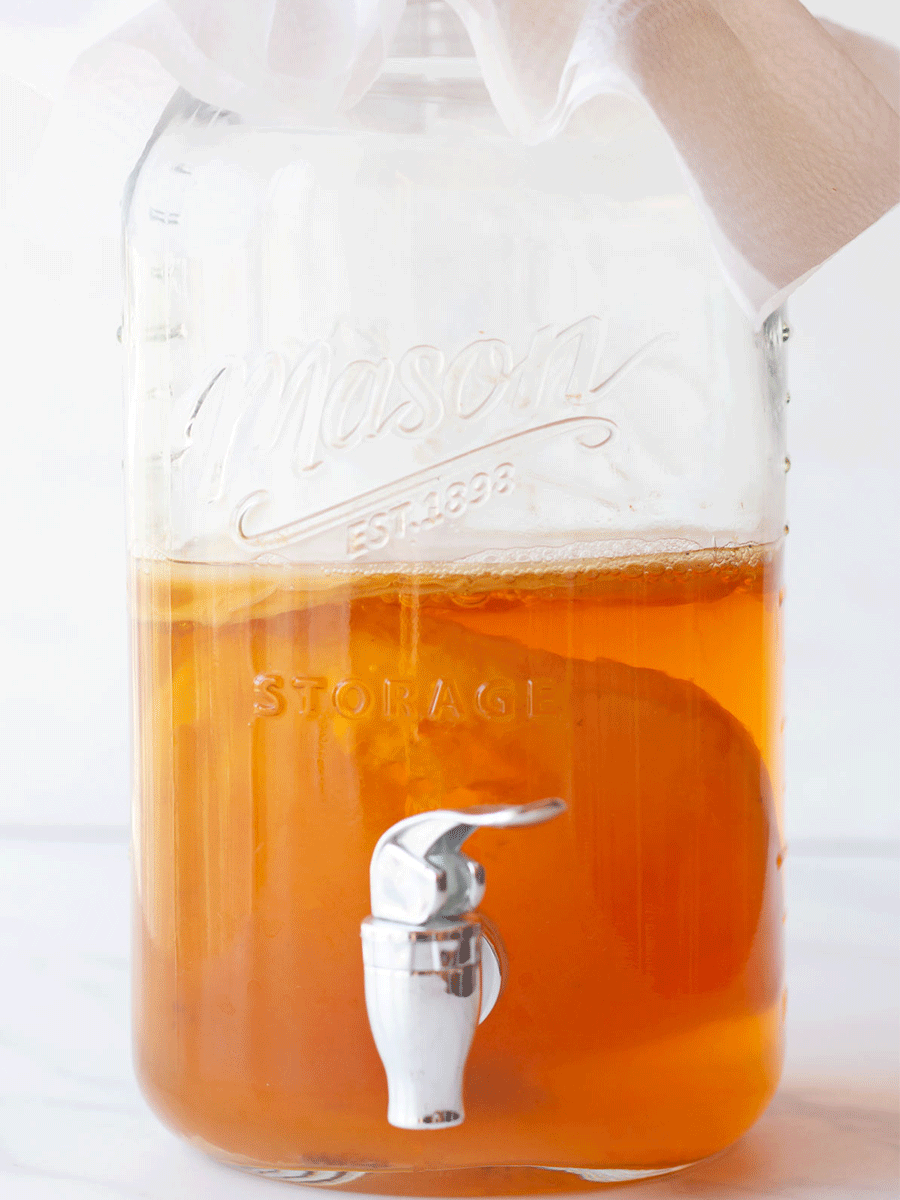
Glass Fermentation Tank
Ideal For: Home brewers and small-batch brewing
Advantages:
· Non-Reactive: Glass does not react with acidic kombucha, meaning it won’t alter its flavor.
· Visibility: Glass tanks allow you to easily monitor the fermentation process and check the health of your SCOBY.
· Ease of Cleaning: Glass is easy to clean and sanitize, and it won’t retain odors from previous batches.
Disadvantages:
· Fragility: Glass is more fragile than other materials and can break easily.
· Weight: Larger glass vessels can be heavy and difficult to move.
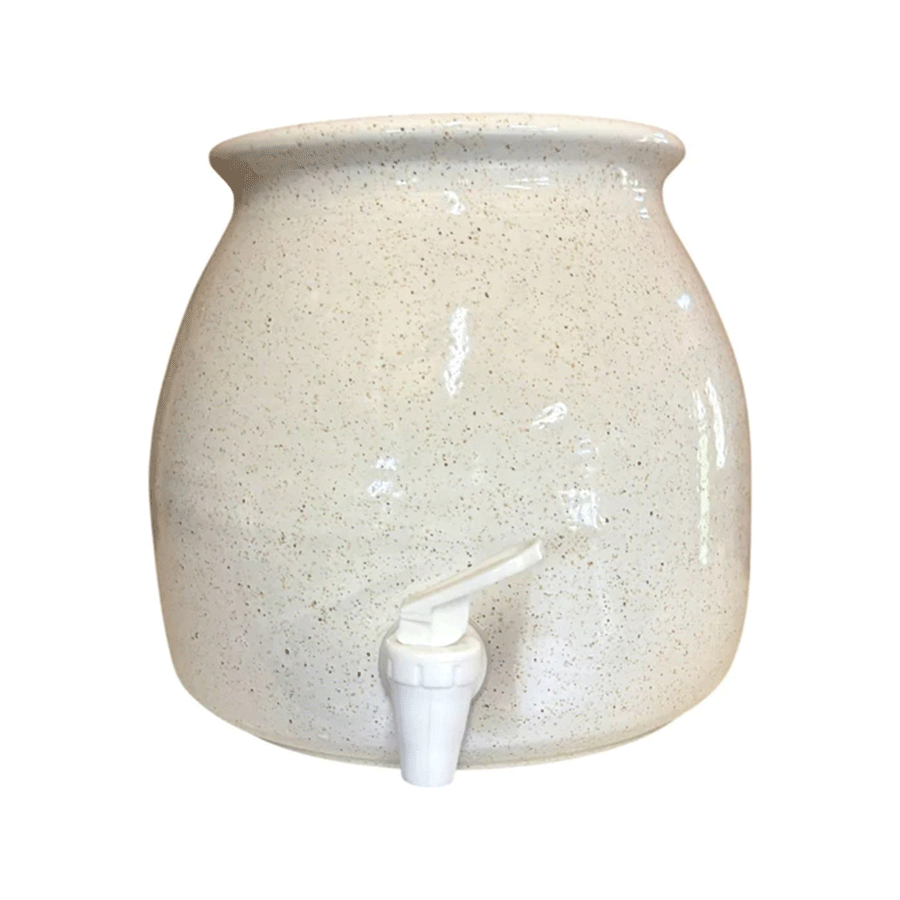
Ceramic Fermentation Tank
Ideal For: Home brewers
Advantages:
· Non-Reactive: Like glass, ceramic does not react with kombucha and won’t affect its flavor.
· Thermal Insulation: Ceramic holds temperature well, which is beneficial for maintaining the optimal fermentation temperature.
· Aesthetic Appeal: Ceramic tanks often have a classic, attractive design, making them a visually pleasing option.
Disadvantages:
· Lead-Based Glazes: Some ceramic vessels may contain lead-based glazes that can leach into the kombucha. Ensure the ceramic tank is food-grade and safe for fermentation.
· Weight: Ceramic containers can be heavy and difficult to move when filled.
· Difficult to Clean: Ceramic tanks tend to absorb stains and odors, making them harder to clean than glass.
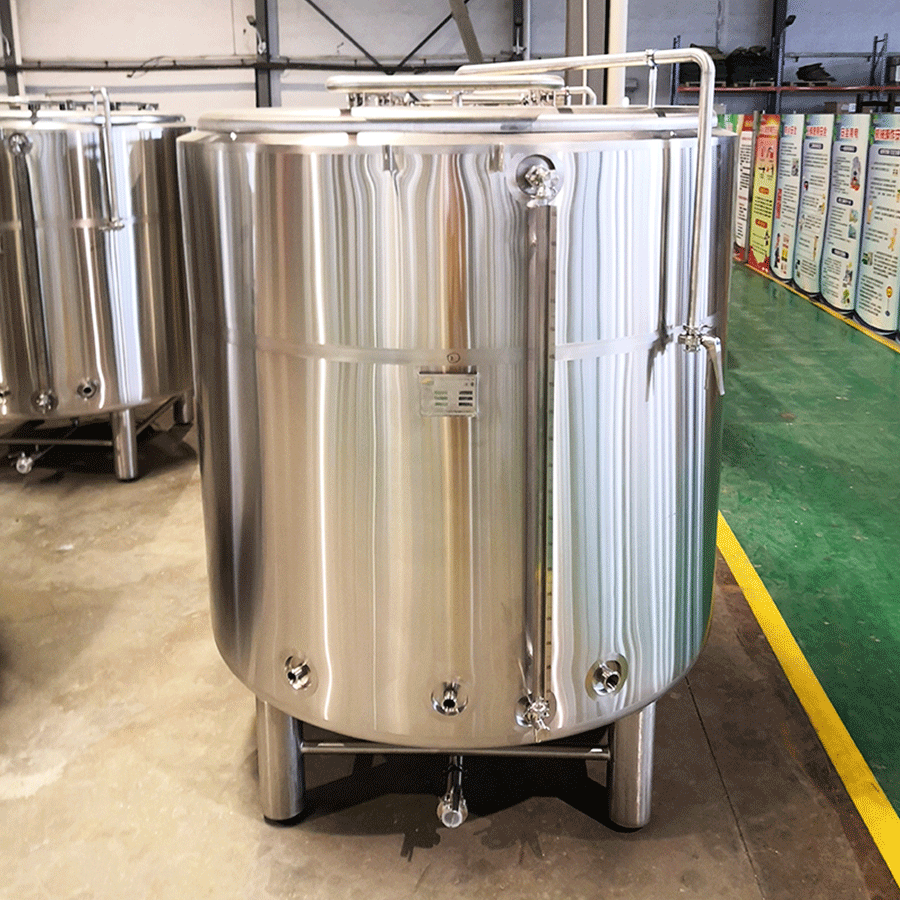
Stainless Steel Fermentation Tank
Ideal For: Large-scale brewers or commercial kombucha producers
Advantages:
· Durability: Stainless steel is very durable, resistant to corrosion, and easy to clean.
· Non-Reactive: Like glass and ceramic, stainless steel is non-reactive and won’t alter the taste of your kombucha.
· Long-lasting: Stainless steel tanks are excellent for large-scale or commercial brewing due to their strength and longevity.
Disadvantages:
· Opacity: Stainless steel is opaque, so it’s difficult to visually monitor the fermentation process. You’ll need tools like a thermometer or hydrometer to check the fermentation progress.
· Potential for Rust: If not properly maintained, stainless steel can rust over time, which may affect the safety of your kombucha.
Maintenance and Cleaning of Kombucha Fermentation Tanks
Regular maintenance and cleaning of your fermentation tank are critical to ensure the safe production of healthy kombucha. Here’s how to take care of your fermentation tank:
· Regular Cleaning: After each fermentation cycle, rinse your tank with warm water. Avoid using harsh chemicals that could leave residues behind. Rinse thoroughly and allow the tank to air dry.
· Inspect the SCOBY: Check the SCOBY for any mold or unusual growth. A healthy SCOBY should be firm, smooth, and slightly leathery in texture. If you see any mold (fuzzy, blue, or green patches), discard the batch and start over.
· Prevent Contamination: Ensure your fermentation tank is always covered during the fermentation process to prevent contamination. Keep the tank and all utensils clean to minimize the risk of introducing harmful bacteria.
Choosing and using the right kombucha fermentation tank is a key step toward brewing healthy, homemade kombucha. Whether you opt for glass, ceramic, or stainless steel, the right tank can help you brew delicious kombucha consistently. If you need further assistance, Tiantai offers complete kombucha brewing solutions tailored to your needs.