
For commercial kombucha producers, sugar calculation is not a recipe detail. It is a production control point. The amount of sugar added at the start, the residual sugar left in starter liquid, and any sugar added later for carbonation all affect fermentation speed, acidity, final sweetness, and alcohol formation. Recent reviews note that the sugar type and dosage, along with fermentation time and temperature, influence the levels of organic acids, phenolics, vitamins, and alcohol content in kombucha.
That is why sugar calculation should be treated as part of process design, not just formulation. In industrial production, a small dosing error can alter batch behavior, especially as the factory scales from pilot tanks to larger fermenters and needs consistent turnover from one batch to the next.
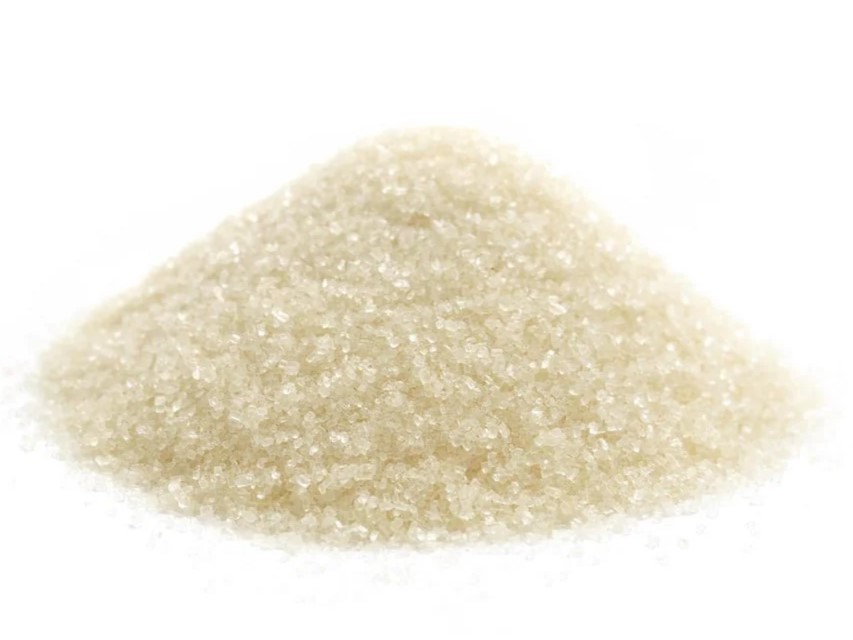
Why sugar calculation matters in commercial kombucha
Sugar feeds the yeast and bacteria in kombucha fermentation. As fermentation progresses, sugar is converted into ethanol and then into acids and other metabolites, so the starting sugar load affects both flavor development and alcohol risk. Sugar level, fermentation time, temperature, and microbial activity are major variables in kombucha composition.
For a commercial brewer, this means sugar is tied to four practical outcomes:
- fermentation speed
- final residual sweetness
- acidity and sensory balance
- alcohol compliance in the finished beverage
The basic calculation
The simplest production formula is:
Total sugar to add (kg) = Batch volume (L) × Target sugar (g/L) ÷ 1000
This gives the total sugar load for the batch before any adjustment for starter liquid or flavor additions.
Example:
- Batch size: 5,000 L
- Target sugar: 65 g/L
5,000 × 65 ÷ 1000 = 325 kg sugar
That is the starting number. In real production, it usually needs adjustment because the starter liquid already contains some sugar, and fruit juice or other sweet ingredients may add more.
Adjusting for starter liquid
Commercial kombucha often includes a starter portion from a previous batch. That liquid is acidic, microbially active, and usually still contains residual sugar. If you ignore it, the batch sugar load will be higher than planned.
A practical adjustment is:
Adjusted sugar = Planned total sugar – sugar already present in starter liquid and other sweet ingredients
Example:
- Batch size: 5,000 L
- Starter liquid: 15%
- Residual sugar in starter: 8 g/L
Starter contribution:
5,000 × 15% × 8 ÷ 1000 = 6 kg
So if the original target was 325 kg, the corrected sugar addition becomes:
325 – 6 = 319 kg
This is the kind of correction that matters when the brewer is trying to keep batch-to-batch sweetness and fermentation behavior stable.

Why sugar calculation is linked to alcohol control
In the United States, kombucha becomes subject to TTB regulation if it reaches 0.5% alcohol by volume or more at any time during production, when bottled, or after bottling. TTB also states that kombucha that is below 0.5% at bottling but rises to 0.5% or more later because of continued fermentation still falls under alcohol beverage rules.
For commercial producers, that means sugar calculation is not only a flavor issue. It is also a compliance issue. Too much sugar can drive stronger fermentation, more ethanol formation, and more post-packaging risk if the product remains active in the bottle. TTB also notes that producers unsure of alcohol content should use a scientifically valid testing method.
What should be measured during production
For industrial kombucha, sugar management should not rely on a single measurement. A production team usually needs a combination of:
- initial formulation control for sugar dosing
- in-process monitoring for fermentation progress
- final lab verification for residual sugar and alcohol
Recent research on online monitoring of kombucha fermentation shows that total sugar can be tracked with near-infrared spectroscopy during the process, which supports the case for inline or nearline monitoring in commercial settings.
In practice, that means a kombucha brewery should know:
- how much sugar was added
- how much sugar is already in the starter
- how fast sugar is being consumed
- how much sugar is added again for secondary fermentation or carbonation
- whether the final product is still within the intended alcohol limit
Sugar addition for secondary fermentation
Many commercial kombucha products receive an additional sugar input during flavoring or secondary fermentation. This is often done to support carbonation, but it also raises the total fermentable load. That extra addition must be included in the calculation, not treated as a separate step outside the formula.
A simple way to manage it is:
Total fermentable sugar in the batch = base sugar + starter sugar + added juice sugars + priming sugar
That total is what matters for fermentation behavior and alcohol risk.
A production example a kombucha brewery can actually use
Here is a clean example for a commercial batch:
- Batch size: 10,000 L
- Base target: 60 g/L
- Starter liquid: 10%
- Starter residual sugar: 6 g/L
- Secondary priming sugar: 3 g/L
Base sugar:
10,000 × 60 ÷ 1000 = 600 kg
Starter sugar:
10,000 × 10% × 6 ÷ 1000 = 6 kg
Secondary priming sugar:
10,000 × 3 ÷ 1000 = 30 kg
Estimated total fermentable sugar load:
600 + 6 + 30 = 636 kg
That number is much more useful for production planning than a single “recipe sugar” figure, because it reflects the real sugar entering the system.
Why large kombucha breweries need equipment support
Once kombucha moves from small-batch production to factory-scale production, sugar control becomes an equipment problem as much as a formulation problem. Large tanks need accurate dosing, stable mixing, and repeatable monitoring. If sugar is not fully dissolved or evenly distributed, one tank may ferment faster than another even if the recipe is identical.
That is why commercial kombucha breweries often benefit from:
- sugar dissolution tanks
- inline mixing
- temperature-controlled fermenters
- connected monitoring for sugar, pH, and alcohol
- batch-record systems for traceability
This is especially important because recent research and TTB guidance both show that kombucha is sensitive to process conditions and alcohol can rise during production or after bottling if fermentation is not controlled.
Common mistakes in sugar calculation
Commercial brewers tend to run into the same problems:
- counting only the base recipe and ignoring starter liquid
- forgetting the sugar in juice or flavoring additions
- using one sugar target for every tank without checking actual fermentation behavior
- relying on endpoint sweetness instead of tracking fermentation progress
- overlooking alcohol growth after packaging
These are not minor errors. In kombucha, they can affect sensory consistency, shelf stability, and regulatory status.
A better way to think about kombucha sugar calculation
For a commercial factory, sugar calculation should answer three questions at the same time:
- How much sugar do we need to start fermentation correctly?
- How much sugar is already in the system from starter liquid or fruit ingredients?
- How do we keep the final product consistent and compliant?
That is the real value of sugar calculation in industrial kombucha: it is a control tool, not just a recipe formula.
Conclusion
Kombucha sugar calculation is one of the most practical topics for commercial brewers because it connects formulation, fermentation, equipment, and compliance in one workflow. The right sugar load helps the factory manage taste, fermentation speed, residual sweetness, and alcohol risk. Recent studies and official TTB guidance make the same point from different angles: sugar level and process conditions shape the final beverage, and alcohol can become a regulatory issue if fermentation is not controlled.
At Tiantai, we design fermentation systems that make these calculations practical and profitable, delivering the precision commercial kombucha breweries need to produce exceptional kombucha at scale. For guidance on integrating monitoring capabilities into your operation, explore our commercial fermenter lineup or contact our technical team.