
Commercial kombucha production follows a standardized protocol to ensure flavor consistency, production efficiency, and food safety. The Kombucha Brewing Process centers on four core stages: Tea Steeping, Fermentation, Post-Processing, Filling & Packaging. The following details the scaled-up brewing workflow for the Kombucha brewery.
Pre-Production Preparation and Raw Material Selection
Before brewing, the factory must complete inspections of raw materials, clean equipment, and condition the environment to establish a solid foundation for production. For raw materials, we strictly select tea, sugar, brewing water, and SCOBY that meet food-grade standards. All equipment and pipelines are thoroughly sanitized to prevent contamination by wild microbes, creating a clean production environment.
Step 1: Sweet Tea Preparation
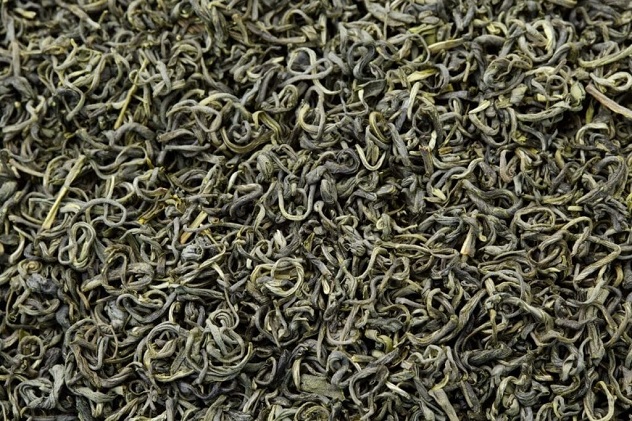
The quality of the sweet tea determines the foundational flavor profile of the kombucha. First, brewing water is transferred into the tea boiling kettle and heated. Sugar and tea are then added to the hot water according to the preset recipe ratio and stirred thoroughly to ensure complete dissolution.
Tea selection is critical for flavor. Factories may choose black tea, green tea, white tea, or oolong tea based on their product positioning. Note that tea bags, due to their processed form and larger surface area, allow for faster steeping and more rapid caffeine release. Compared to tea bags, tea releases active components like tannins and antioxidants at a more gradual rate. The steeping time for the sweet tea is adjusted according to process requirements, with periodic stirring during steeping to ensure optimal extraction. After steeping, the liquid is preliminarily filtered through an optional sieve plate to obtain concentrated sweet tea, which is then held in reserve. (Wedge Wire False Bottom is an optional component used for filtering tea; it is not required when using tea bags.)
Step 2: Sweet Tea Dilution
The concentrated sweet tea is both high in temperature and concentration, necessitating a dilution step. The concentrated sweet tea is transferred to a dilution tank, where brewing water is slowly added according to a preset ratio.
Dilution serves three primary purposes:
I.Rapidly cooling the sweet tea to prepare it for subsequent fermentation;
II.Reducing the concentration of the sweet tea to prevent excessive tannin content, which can lead to a bitter finished product;
III.Increasing tea yield, balancing production efficiency with cost control. After dilution, the sugar content (Brix) of the sweet tea is tested to ensure it meets fermentation standards.
Step 3: Primary Fermentation
Primary fermentation is an aerobic process where microorganisms (Acetic Acid Bacteria – AAB, and yeast) metabolize the sugars in the sweet tea. This process produces organic acids, trace amounts of alcohol, and flavor compounds, laying the foundation for kombucha’s characteristic flavor profile.
The fermentation tanks used for primary fermentation are typically designed as open-top, flat-top, atmospheric tanks. Fermentation lasts approximately 5-10 days, with the exact duration adjustable based on ambient temperature and the activity of the starter culture (mother liquid).
Step 4: Secondary Sealed Fermentation
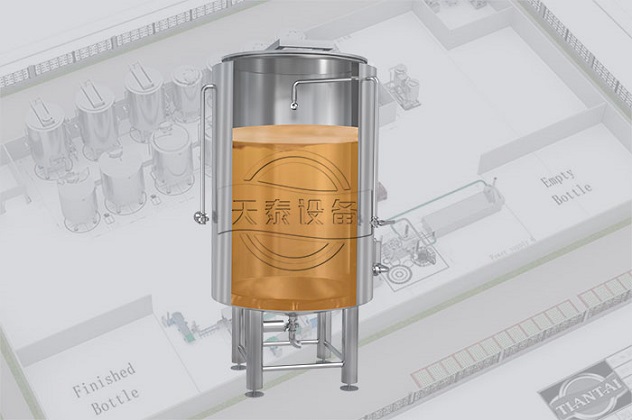
Secondary fermentation is an anaerobic process aimed at further developing the flavor complexity and mouthfeel of the kombucha, while also generating a small amount of carbonation to establish a base for subsequent carbonation steps.
The liquid from the completed primary fermentation (with excess surface pellicle removed) is transferred via sterile piping into secondary fermentation tanks. These tanks are sealed pressure vessels, similar in appearance to beer fermentation tanks.
To enrich the flavor, kombucha producers often add fruit juices (e.g., apple, lemon, blueberry) or fruit purees during the secondary fermentation stage. Fermentation typically lasts 3-5 days. This process primarily involves residual yeast continuing to ferment in the sealed environment, producing carbon dioxide (CO₂), which imparts effervescence to the beverage.
Step 5: Filtration
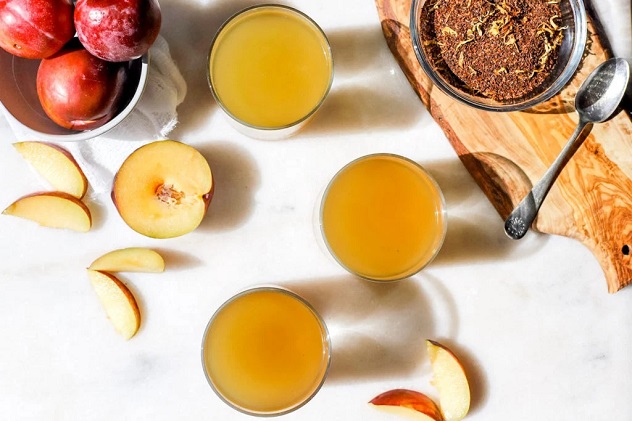
Following secondary fermentation, the liquid must be filtered to remove particulate impurities such as residual SCOBY fragments and fruit pulp solids. This step is critical to achieve a smooth mouthfeel and a crystal-clear appearance while preserving the desired flavor compounds.
Post-filtration, the clarity is tested to ensure no visible particulates remain before proceeding.
Step 6: Cooling and Carbonation
The filtered kombucha must undergo cooling and subsequent carbonation. This stage enhances the sensory profile and extends the product’s shelf life.
Cooling is essential to decelerate microbial activity, halting any unintended refermentation and preventing flavor degradation.
Carbonation can be achieved via two methods:
Natural Carbonation: Utilizes residual microbial metabolism from secondary fermentation to produce a low level of CO₂, resulting in a softer, more integrated effervescence.
Force Carbonation: Requires a dedicated CO₂ supply system to inject food-grade carbon dioxide into a bright beer tank. Upon completion, the temperature and exact carbonation level (volumes of CO₂) are verified against product specifications.
Step 7: Filling and Packaging
As the final stage, filling and packaging prioritize locking in the developed fermentation character and ensuring product safety. Precise control of filling speed and isobaric pressure is paramount to guarantee consistent fill volumes and carbonation levels across every bottle or can. Inconsistent parameters can compromise an entire batch’s quality, while over-carbonation risks container failure.
After sealing, finished products undergo batch sampling for quality control. All samples must meet food safety standards and brewing protocol requirements. Upon passing inspection, the batch moves through labeling, casing, and is transferred to dedicated storage.
The above outlines the complete standardized brewing process of Kombucha. Controlling every process parameter is crucial for delivering a cup of pure-tasting, safe, and healthy Kombucha. The successful implementation of this process relies heavily on professional equipment. If you have any needs regarding Kombucha brewing equipment, feel free to message Tiantai; our professional team will provide you with a suitable solution!